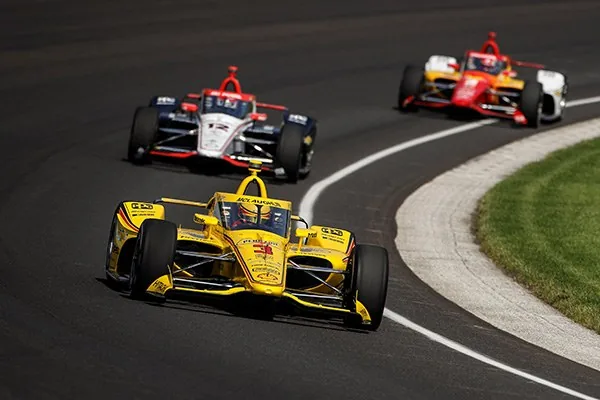
The race car finished with flashlights taped to it.

Start with the surprising object, then tell the human story behind it. Turn an archive into something people want to discover.

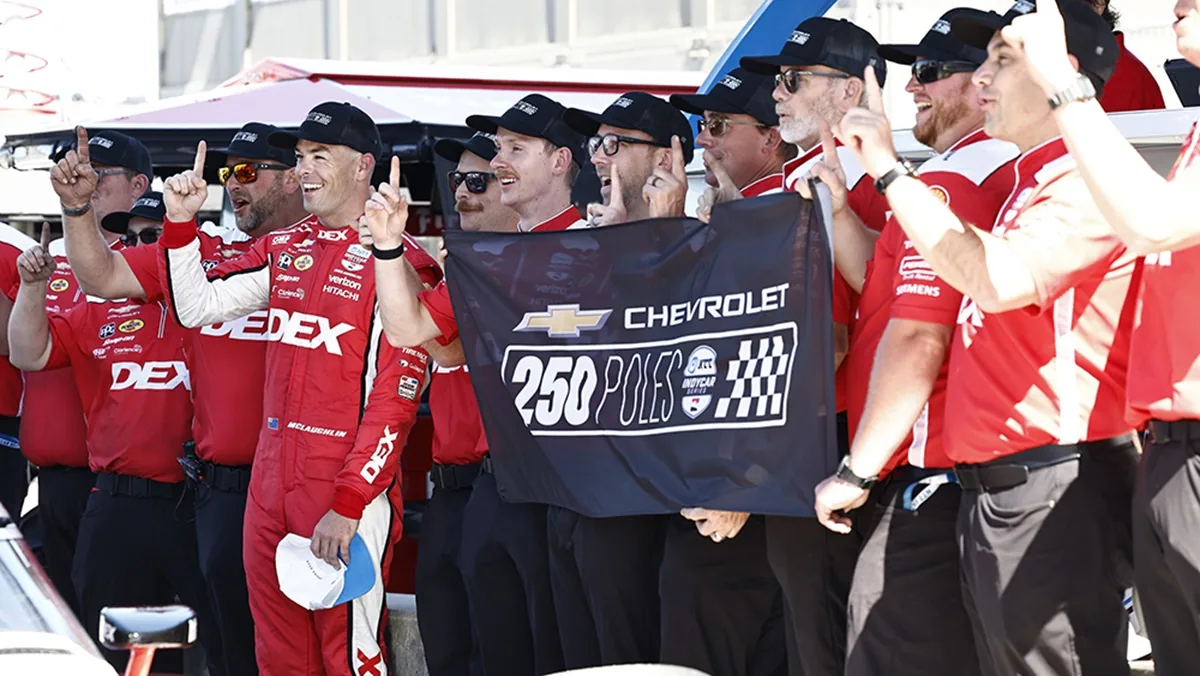
Scott McLaughlin and Team Penske crew celebrating with a Chevrolet banner

The opportunity

History needs a hook before a date.

Penske’s own history records an improvised lighting fix at its first race. That is more inviting to a newcomer than opening with decades of statistics.

Explore the example ideas

Example directions

A few ways in. A plan that keeps evolving.

A few examples of a wider content plan. The people, skills, relationships and life around the team give us different ways to connect with established fans and newcomers.

1A surprising archive story

Why are there flashlights on a race car?

Open with a historical photo or an explicitly labeled diagram of the fix. Explain the damage, the improvised solution and what happened next.

What keeps people watching

An unlikely solution creates a question anyone can understand. The team’s history arrives through the answer.

See the filming plan
2An object guessing game

Would you keep this after the race?

A curator presents a genuine artifact before revealing its connection to a particular event. Let a current team member guess first.

What keeps people watching

An ordinary-looking object with an unexpected story makes the archive feel personal. The guess gives viewers a way in.

See the filming plan
3Then and now

The old problem. The modern answer.

Compare one historical workaround with how the team would address the same kind of problem using current equipment.

What keeps people watching

The contrast gives a clear visual payoff and introduces today’s staff through their expertise.

See the filming plan

From idea to recording

How we’d make it.

Capture the real situation, shape the edit and deliver the promised payoff.

  1. 1

    Why are there flashlights on a race car?

    Reveal the flashlights in the first image. Build the short around three beats: what failed, the improvised fix and the documented finish; let the archive carry the explanation. Verify archive captions and clear image rights. Do not present modern props as original artifacts or suggest the old fix is acceptable today.

  2. 2

    Would you keep this after the race?

    Select a documented object and curator-approved account. Do not invent provenance or handle fragile items for a gag.

  3. 3

    The old problem. The modern answer.

    A qualified person verifies the comparison. Keep safety-rule changes explicit and confidential systems out of frame.

Give people a reason to return

Turn a good moment into a following.

Earn the first watch

A small team’s worn tool, repaired panel or old photograph can hold an equally engaging story. The artifact needs a real, specific history.

Build the next connection

Use the archive story to introduce a current person or next event, rather than leaving the viewer in the past.

Made for the feed

How we’d adapt the videos.

Instagram Reels

Use a cleared archive detail as the opening image and reveal the whole scene. Credit the archive and date so the historic workaround cannot be mistaken for current practice.

TikTok

Begin with the strange object and the question it raises. Let the curator’s explanation and a current team member’s reaction carry the story.

YouTube Shorts

Name the documented event and object in the title. Resolve the historical outcome, then connect a separate modern explanation rather than blending eras.

Test, learn, improve

What we’d look for.

What we’d test first

Pair one archive story with its modern counterpart. If viewers enjoy the old story but ignore the present-day person, strengthen the link before turning it into a recurring series.

Measure completion through the historical payoff, saves and returns to another object story. Track museum or team-page visits separately.

Give fans a team to come back for.

Let’s talk about your goals, what you’re posting now and the stories you could be telling. See where Turn One could take the work forward.

Turn One