
The team story starts around a table.

Use a familiar meal to meet the people behind Ferrari, with a small task, a real memory and room for ordinary humor.

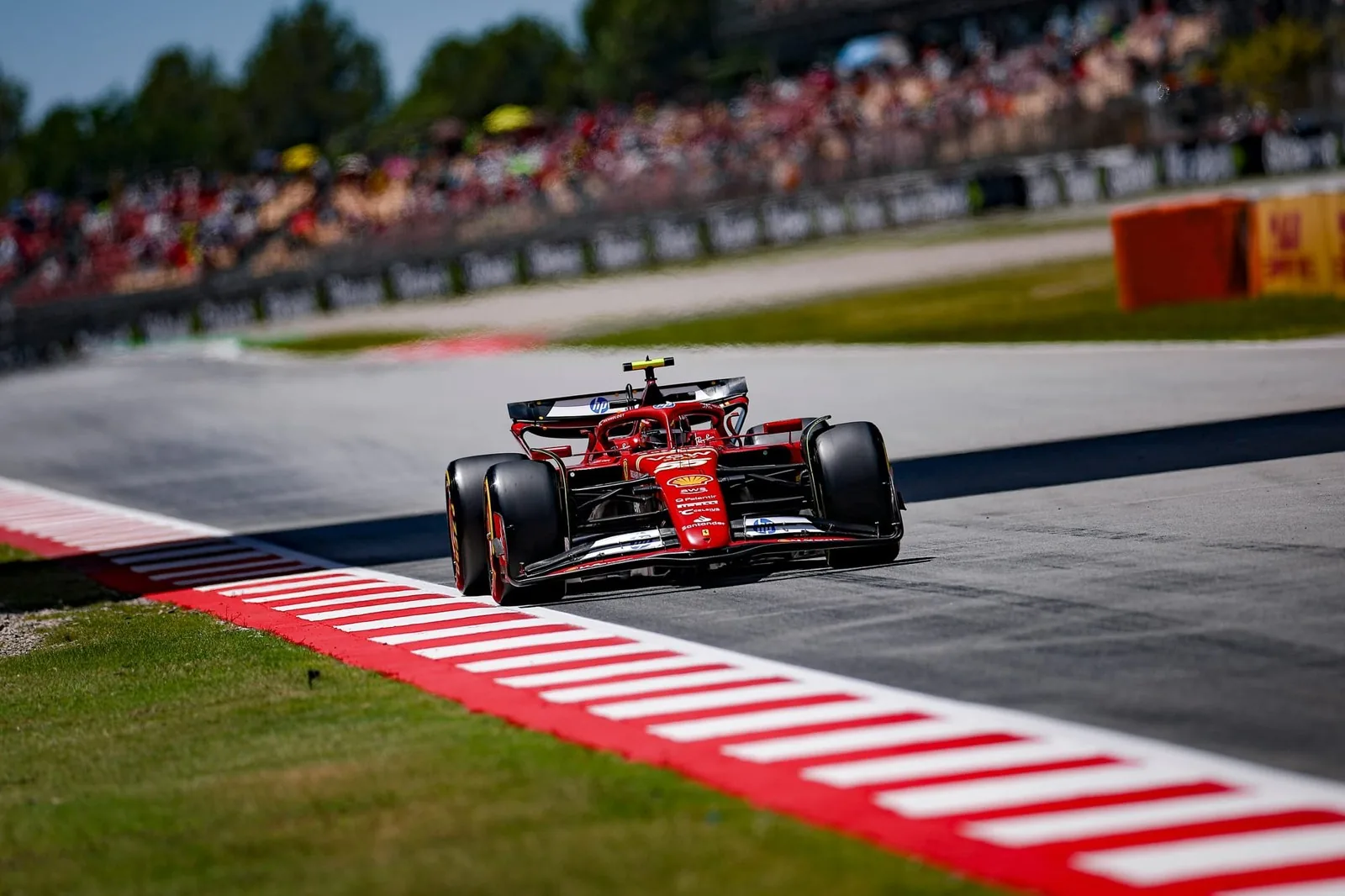
Lewis Hamilton and Charles Leclerc driving Ferrari Formula 1 cars

The opportunity

A shared activity gives people something natural to talk about.

Ferrari’s history with the Cavallino restaurant offers a setting beyond cars. Food is the entry point; a specific person and story must carry the episode.

Explore the example ideas

Example directions

A few ways in. A plan that keeps evolving.

A few examples of a wider content plan. The people, skills, relationships and life around the team give us different ways to connect with established fans and newcomers.

1A shared task

Can the rookie fold it like the chef?

At a cooking session, a chef demonstrates one simple pasta shape and a willing team member tries it. Let the first attempt and reaction stay in.

What keeps people watching

A small skill gap is funny without requiring a famous face. The viewer can understand the challenge immediately.

See the filming plan
2A memory with an object

One photograph at the table. One story.

An employee brings a photo from a meaningful team moment and explains the detail outsiders would never notice.

What keeps people watching

The object creates a concrete question. A personal detail can make institutional history feel close.

See the filming plan
3The people beyond the uniform

Who is in this old team photograph?

An employee identifies the people in an old photograph, then introduces one of them today. Match a detail in the image with their current job or a memory they both still disagree about.

What keeps people watching

A face in the background becomes a person. The reunion gives the archive a present-day ending rather than another corporate history montage.

See the filming plan

From idea to recording

How we’d make it.

Capture the real situation, shape the edit and deliver the promised payoff.

  1. 1

    Can the rookie fold it like the chef?

    Start on the chef’s finished shape beside the first attempt. Film hands and conversation together, keep one useful correction and finish with the participant trying it again. Arrange restaurant access, food safety and participant consent. Do not infer that drivers eat particular foods or invite dietary commentary.

  2. 2

    One photograph at the table. One story.

    Use a verified first-person memory, not a scripted origin myth. Keep other people’s private details out.

  3. 3

    Who is in this old team photograph?

    Find a verified photo with an available, willing participant. Ask for the actual story before filming and clear image rights. Do not invent an emotional reunion or make restaurant access a requirement.

Give people a reason to return

Turn a good moment into a following.

Earn the first watch

Any team can film a shared meal with consent. Give the scene a task or an object so it does not become another vague personality interview.

Build the next connection

Introduce the employee’s actual role in one sentence and give viewers a reason to recognize them in the next episode.

Made for the feed

How we’d adapt the videos.

Instagram Reels

Pair the employee’s photograph with the present-day table. Keep the person and specific memory prominent, with archive and restaurant credits.

TikTok

Start with the pasta attempt or an intriguing detail in the old team photograph. Explain who the employee is through the story rather than a luxury montage.

YouTube Shorts

Title the video around the task or object. Finish the story inside the Short, then offer a related employee story if available.

Test, learn, improve

What we’d look for.

What we’d test first

Test a complete employee story with a real photograph and present-day connection. Treat restaurant access as an optional second setting, not a dependency for the whole series.

Compare non-fan comments, completion and return viewing. Restaurant interest and lasting team interest are different outcomes.

Give fans a team to come back for.

Let’s talk about your goals, what you’re posting now and the stories you could be telling. See where Turn One could take the work forward.

Turn One