Can three ordinary sounds become a song?

Show a creative choice people can hear. A tiny piece of music gives the audience a payoff before the famous name does.

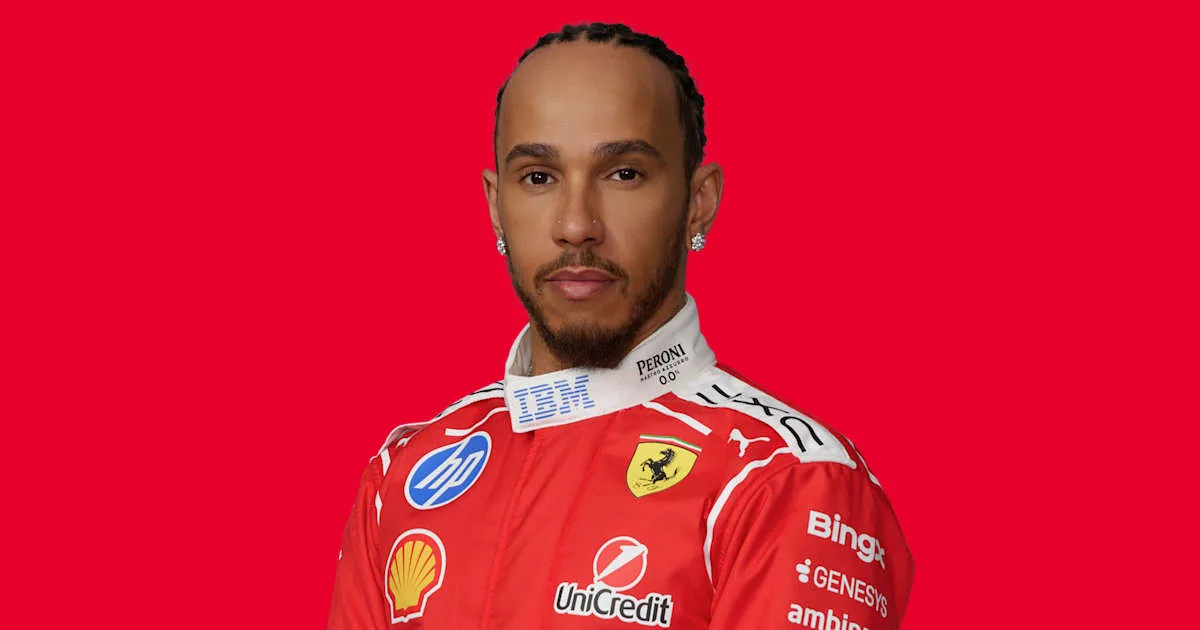
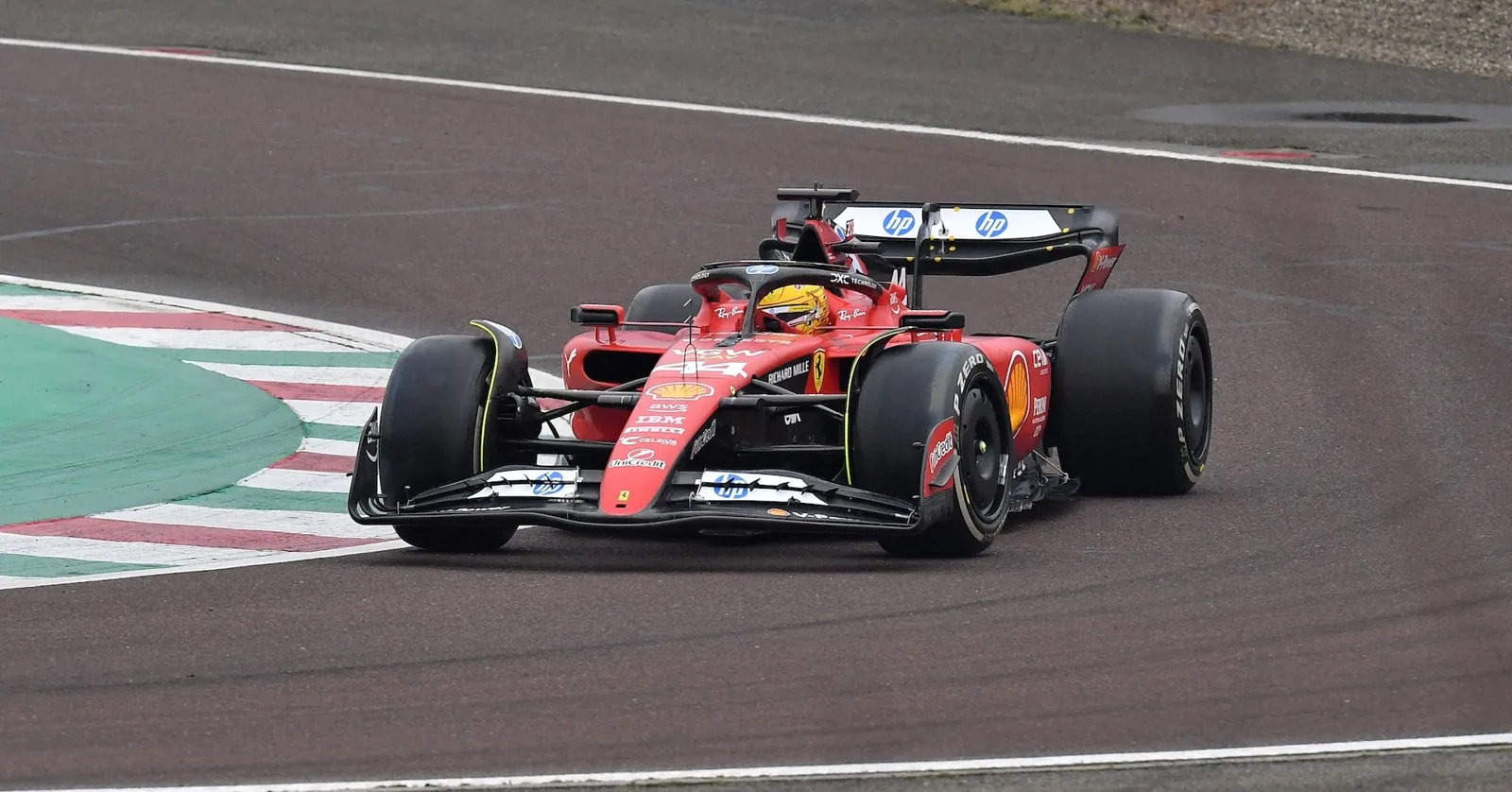
Lewis Hamilton in an official reference photograph

The opportunity

Let people hear the transformation, one sound at a time.

The music interest is established. Building a sound lets viewers hear his choices, while alternate versions and a real imperfect take reveal the work behind the finished result.

Explore the example ideas

Example directions

A few ways in. A plan that keeps evolving.

A few examples of a wider content plan. We build around the driver’s real interests, relationships and racing, then develop new ideas as their life and audience change.

1A creative build

Three sounds. One short loop.

With a producer, record three ordinary sounds in a space. Lewis chooses how they fit together, then play the finished loop.

What keeps people watching

The transformation from familiar noise to music is audible and complete.

See the filming plan
2A choice viewers can hear

Same melody. Two completely different moods.

Play two versions of the same original phrase with one deliberate change. Lewis describes which feeling he wanted and selects a version.

What keeps people watching

Viewers can disagree without knowing anything about music theory or Formula 1.

See the filming plan
3An honest working moment

The take that was almost right.

With consent, keep one real imperfect take and the small adjustment that improves it. Play the two back to back.

What keeps people watching

Seeing someone work through a mistake makes the craft and person accessible.

See the filming plan

From idea to recording

How we’d make it.

Capture the real situation, shape the edit and deliver the promised payoff.

  1. 1

    Three sounds. One short loop.

    Record each source sound cleanly and identify it visually. Let viewers hear the loop build one layer at a time, then play the completed phrase without talking over it. Use newly recorded sounds and an original composition with clear ownership. No implication that an existing commercial track is available.

  2. 2

    Same melody. Two completely different moods.

    Clear both recordings and explain the actual production change accurately. Do not infer emotional meaning on his behalf.

  3. 3

    The take that was almost right.

    Only use a genuine session and a take he agrees to share. Avoid manufacturing vulnerability or exposing private collaborators.

Give people a reason to return

Turn a good moment into a following.

Earn the first watch

The transferable idea is showing a decision inside a real creative hobby. It works with drawing, making or repairing too; fame cannot replace the payoff.

Build the next connection

A later story can explain how that creative time fits between races, in his own words. Keep the music enjoyable on its own.

Made for the feed

How we’d adapt the videos.

Instagram

Build the sound visually and audibly in the Reel; caption the choices so the premise survives muted viewing.

TikTok

Start with the finished sound for a beat, then show how the three ingredients created it.

YouTube Shorts

Use a descriptive title and deliver the full loop. Link a longer cleared session only if one exists.

Test, learn, improve

What we’d look for.

What we’d test first

Use one newly cleared sound-building session. Judge the reveal and return to another episode separately from the reach Hamilton’s name already supplies.

Test retention across the build and replay of the finished loop. Distinguish music audience interest from interest in subsequent racing content.

Give people a reason to follow your journey.

Let’s talk about your goals, what you’re posting now and the stories you could be telling. See where Turn One could take the work forward.

Turn One