Can Charles teach you four notes on the piano?

Move from watching a famous driver play to experiencing one small musical breakthrough with him.

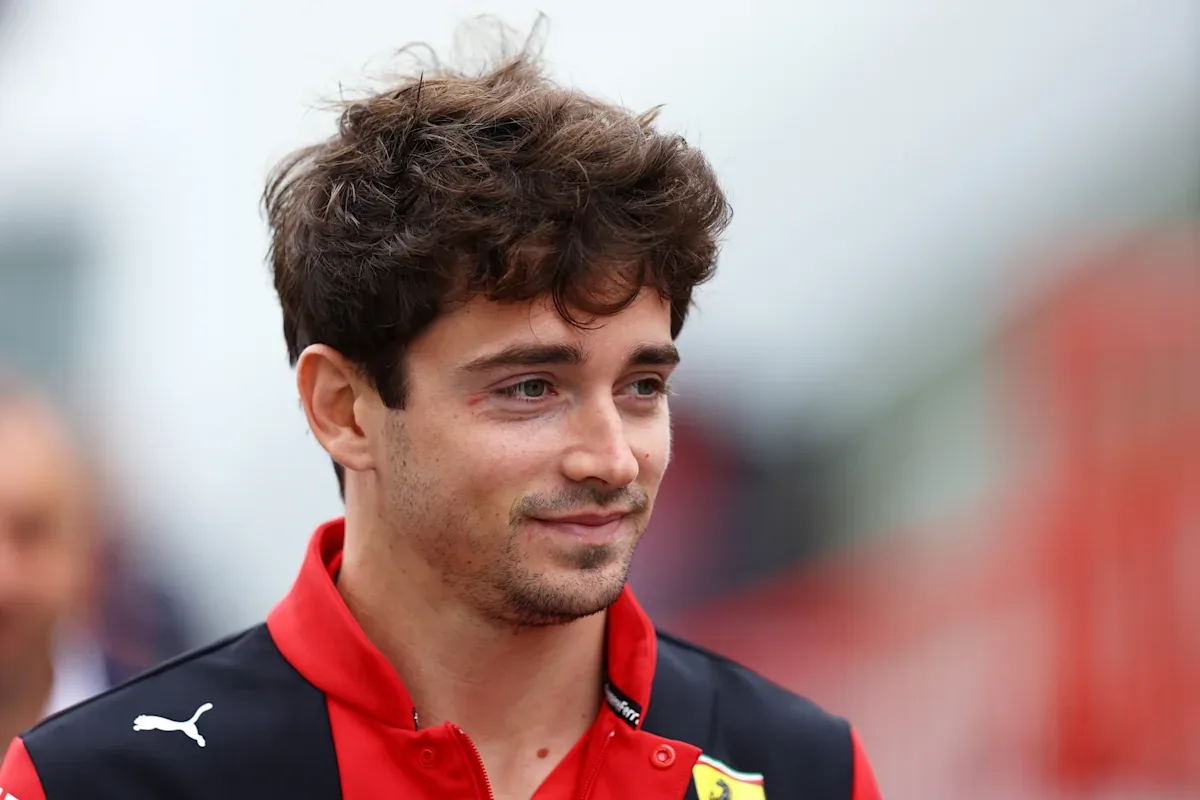
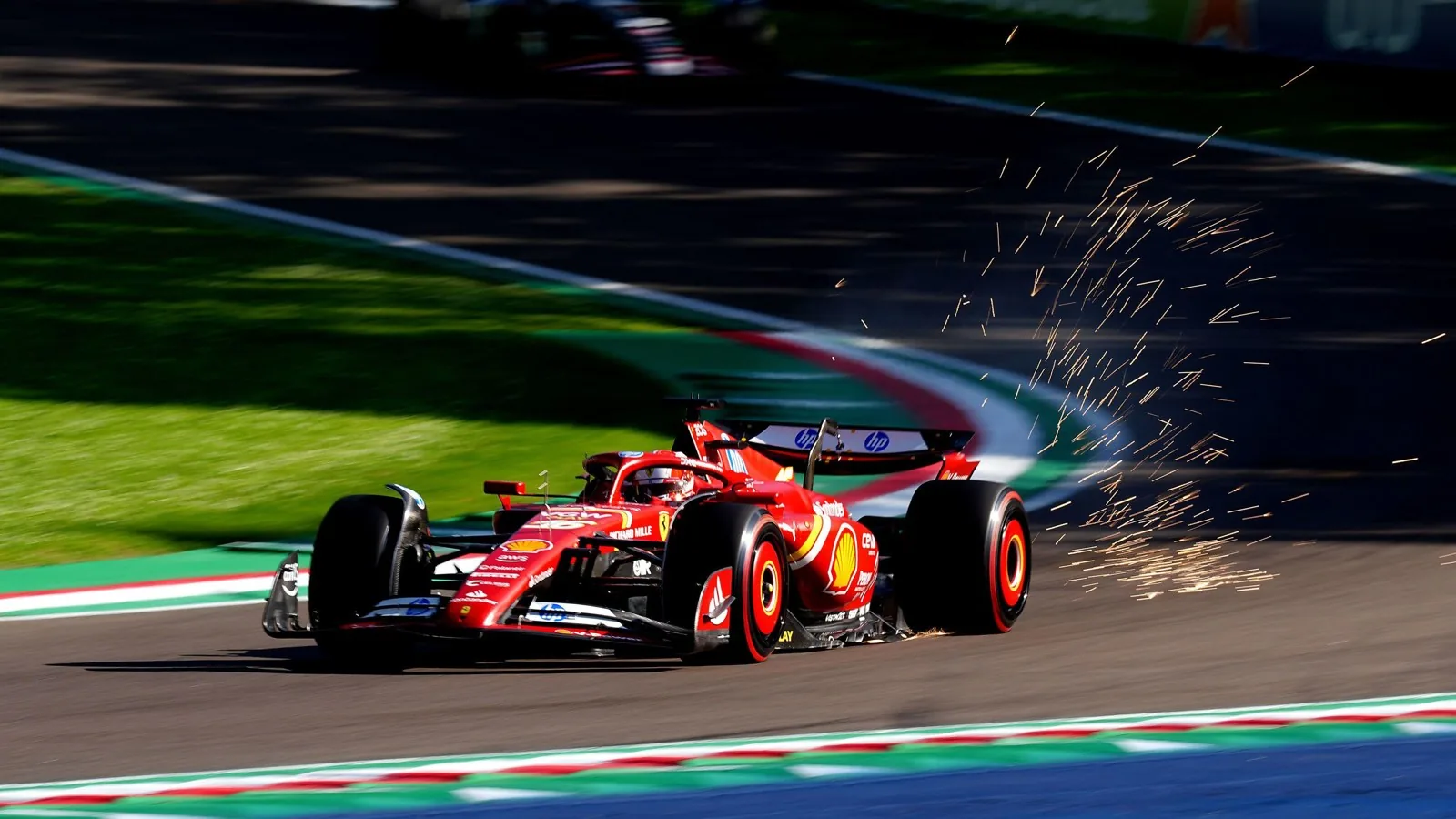
Charles Leclerc in an official reference photograph

The opportunity

Give the viewer a small musical win of their own.

His piano playing is documented. The stronger invitation is to learn one small thing with him, see a beginner improve and hear a real creative revision.

Explore the example ideas

Example directions

A few ways in. A plan that keeps evolving.

A few examples of a wider content plan. We build around the driver’s real interests, relationships and racing, then develop new ideas as their life and audience change.

1A beginner lesson

Four notes you can actually play.

Charles demonstrates a short original phrase slowly, then plays it at speed. Show the keys clearly so a beginner can follow.

What keeps people watching

The viewer leaves able to try something rather than just knowing that a celebrity has a hobby.

See the filming plan
2A human moment

The beginner gets one more attempt.

A willing guest tries that phrase. Keep the stumble, Charles’s practical correction and the next attempt in one compact sequence.

What keeps people watching

The audience can recognize progress even if neither person is familiar.

See the filming plan
3An audio-led story

The part he changed before anyone heard it.

If he has an earlier recording, compare a few seconds with the later version and ask what bothered him in the first attempt.

What keeps people watching

A before-and-after sound makes the creative decision concrete.

See the filming plan

From idea to recording

How we’d make it.

Capture the real situation, shape the edit and deliver the promised payoff.

  1. 1

    Four notes you can actually play.

    Use an overhead view with the same orientation throughout. Play the phrase once, break it into two small parts and finish with an uninterrupted repeat viewers can try alongside. Use an original or properly cleared phrase. Keep the teaching modest and accurate; this is not a claim of formal instruction credentials.

  2. 2

    The beginner gets one more attempt.

    Choose a genuinely willing beginner. Do not fake incompetence or turn their mistake into humiliation.

  3. 3

    The part he changed before anyone heard it.

    Only use versions that exist and can be cleared. If no archive is available, make a new demonstration and label it as such.

Give people a reason to return

Turn a good moment into a following.

Earn the first watch

Teaching one achievable thing lets a lesser-known driver earn attention through usefulness. A specific correction is more engaging than “tell us about your hobbies.”

Build the next connection

Then introduce the person behind the lesson: when he makes time for music and what the next race asks of him. Do not force a racing analogy into every note.

Made for the feed

How we’d adapt the videos.

Instagram

Frame the keyboard clearly and save the complete four-note lesson as one Reel. A simple key diagram can be the companion carousel.

TikTok

Open with the beginner’s attempt, then the one correction. Preserve the honest progression.

YouTube Shorts

Use a searchable, literal lesson title. Deliver the phrase completely instead of sending viewers elsewhere for the answer.

Test, learn, improve

What we’d look for.

What we’d test first

Test a complete beginner lesson using cleared audio. Compare the lesson’s saves with return viewing of another driver-led episode; useful piano content is not automatically racing affinity.

Track saves, rewatches during the demonstration and comments from people attempting it. Measure return to other driver content separately.

Give people a reason to follow your journey.

Let’s talk about your goals, what you’re posting now and the stories you could be telling. See where Turn One could take the work forward.

Turn One