
It looks like sitting down. Try the steering.

Make the physical work visible, then show what training changed. A stranger should understand the challenge without knowing a lap time.

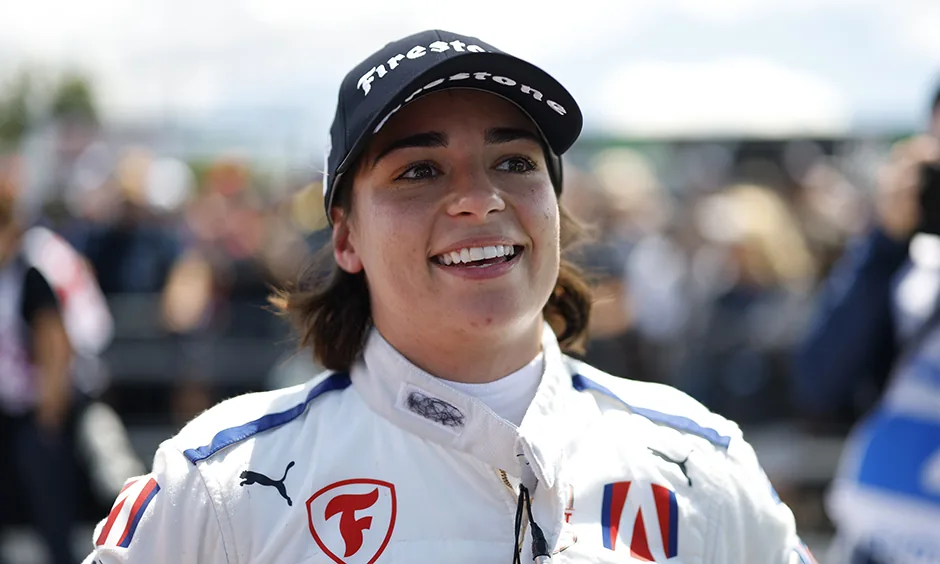
Jamie Chadwick in an official reference photograph

The opportunity

Show the effort that the television picture hides.

Her account of adapting to heavy steering supplies a concrete challenge. Demonstration, documented progress and a real training moment make the physical work understandable.

Explore the example ideas

Example directions

A few ways in. A plan that keeps evolving.

A few examples of a wider content plan. We build around the driver’s real interests, relationships and racing, then develop new ideas as their life and audience change.

1A supervised demonstration

Why does turning this wheel feel so heavy?

Jamie and a qualified trainer demonstrate a safe resistance exercise that illustrates the steering effort. A willing guest tries an appropriate version.

What keeps people watching

The contrast between “just driving” and visible effort is immediately understandable.

See the filming plan
2A progress story

The exercise she used to struggle with.

If records are available, Jamie shows an old training note or clip beside a later attempt and explains one adjustment that made training more effective.

What keeps people watching

A concrete before-and-after gives progress a believable scale.

See the filming plan
3Raw, after training

What was harder than she expected today?

Catch the end of a real session. Ask about the specific exercise just completed, then include the trainer’s practical observation.

What keeps people watching

The effort is still visible, so the answer has context instead of feeling like a press interview.

See the filming plan

From idea to recording

How we’d make it.

Capture the real situation, shape the edit and deliver the promised payoff.

  1. 1

    Why does turning this wheel feel so heavy?

    Frame the wheel and upper body together so the effort is visible. Let the trainer explain what the exercise represents before the comparison, and avoid an unexplained strength score. Use safe equipment and trainer-set limits. Explain that a gym demonstration is illustrative, not an exact reproduction of forces in the car.

  2. 2

    The exercise she used to struggle with.

    Verify the record and dates. Do not invent numbers or suggest that one exercise caused a race win.

  3. 3

    What was harder than she expected today?

    Get consent before filming and keep medical or private training information out. Avoid filming discomfort for spectacle.

Give people a reason to return

Turn a good moment into a following.

Earn the first watch

A junior driver can demonstrate one real physical demand with safe guidance. A visible task is stronger than saying racing requires fitness.

Build the next connection

Follow the training story into the next test with one specific question: what felt different? Let the answer include “not yet.”

Made for the feed

How we’d adapt the videos.

Instagram

Lead with the contrast between the wheel and the visible effort. Add captions explaining the demonstration’s limits.

TikTok

Keep the first attempt and the trainer’s correction. Useful comments can shape a later safe demonstration.

YouTube Shorts

Use a clear question in the title and resolve it with the exercise and explanation in the same Short.

Test, learn, improve

What we’d look for.

What we’d test first

Film one supervised explanation with a complete outcome. Use viewer questions to identify what remains confusing before making a training series.

Check retention through the explanation, saves and questions showing better understanding of the sport. Keep training progress separate from claims about audience or race performance.

Give people a reason to follow your journey.

Let’s talk about your goals, what you’re posting now and the stories you could be telling. See where Turn One could take the work forward.

Turn One