How does he brake without using his feet?

Start with the engineering people can see. Let Robert explain the controls and the work of making them feel right.

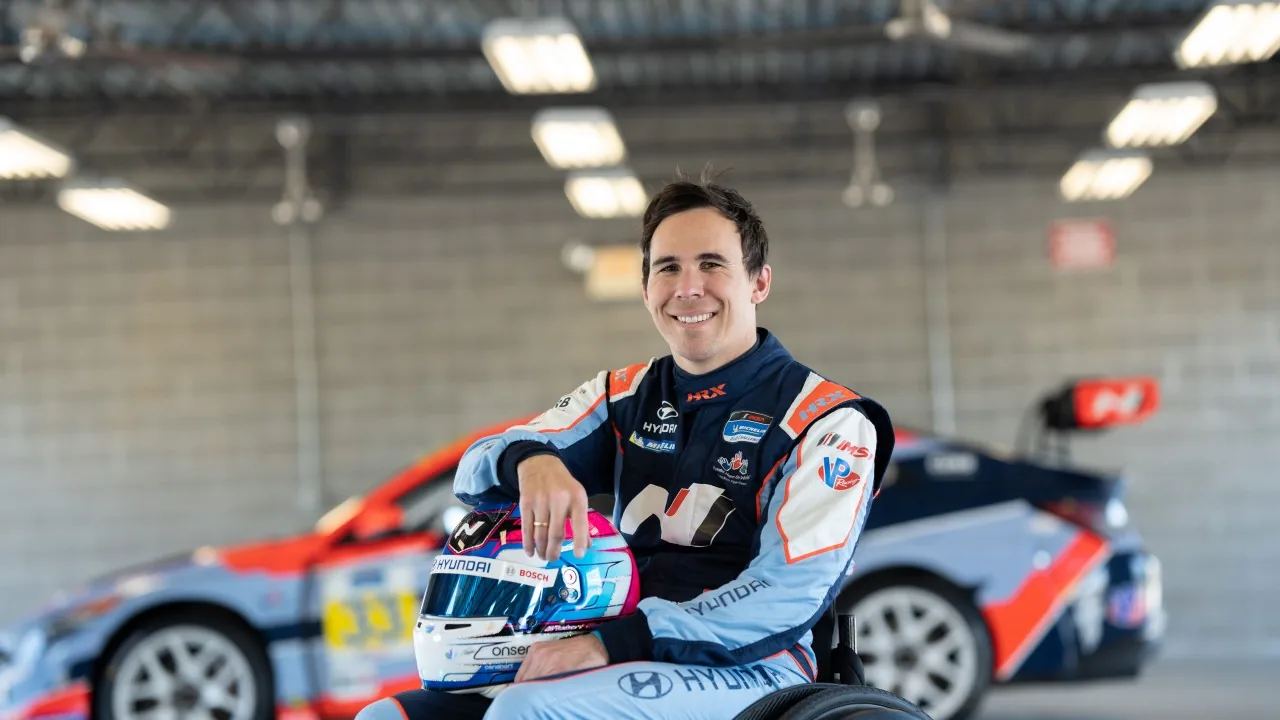
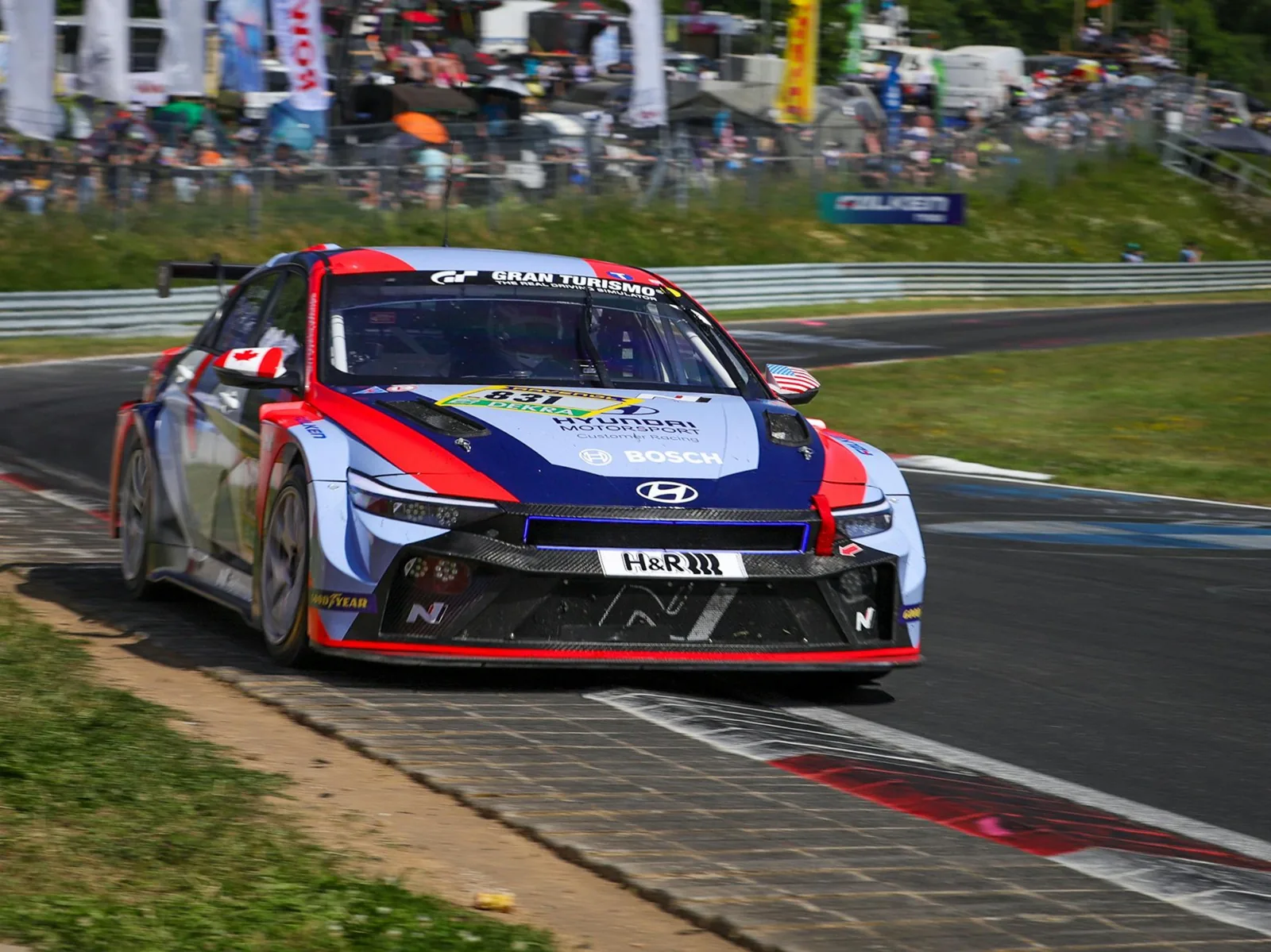
Robert Wickens in an official reference photograph

The opportunity

Show the control first. Let its driver explain the ingenuity.

The hand controls answer a question people can see immediately. Adding the design revision and his experience of learning them brings the engineering and the person together.

Explore the example ideas

Example directions

A few ways in. A plan that keeps evolving.

A few examples of a wider content plan. We build around the driver’s real interests, relationships and racing, then develop new ideas as their life and audience change.

1A close-up explanation

Watch his hands through one corner.

On a stationary demonstration or recording, Robert shows the sequence of steering, braking and shifting. Highlight each control only when he uses it.

What keeps people watching

The opening question is unusual and the viewer gets a clear mechanical answer.

See the filming plan
2A design conversation

The control that did not feel right yet.

Robert and an engineer choose one design revision. Show the old and new arrangement and explain the problem the change addressed.

What keeps people watching

A real design trade-off is more compelling than a generic technology claim.

See the filming plan
3A personal account

He knew what to do. His hands had to learn it.

Use the control in frame while Robert describes one specific moment of learning the new sequence, then demonstrates how he approaches it now.

What keeps people watching

The gap between knowing and doing is relatable without requiring an accident montage.

See the filming plan

From idea to recording

How we’d make it.

Capture the real situation, shape the edit and deliver the promised payoff.

  1. 1

    Watch his hands through one corner.

    Use one continuous control sequence first, then a slower replay with labels. Ask Robert to explain the hardest coordination point rather than covering every switch. Have Robert and an engineer verify every label. Use safe, authorized footage; do not show sensitive settings or imply a universal adaptation for all drivers.

  2. 2

    The control that did not feel right yet.

    Use an actual documented revision that the team can discuss. Attribute supplier claims and avoid turning one driver’s setup into medical advice.

  3. 3

    He knew what to do. His hands had to learn it.

    Let him choose what to share. No reenacted trauma, invented emotion or claim that determination alone overcomes disability.

Give people a reason to return

Turn a good moment into a following.

Earn the first watch

The lesson for smaller operations is to make an unfamiliar piece of the job understandable. A genuine technical constraint and the people solving it can carry a story.

Build the next connection

Invite a precise follow-up question about the controls, answer it with the right expert and connect the explanation to a real upcoming race when confirmed.

Made for the feed

How we’d adapt the videos.

Instagram

Use clear close-ups and readable control labels. A companion carousel can explain the sequence without sensationalizing disability.

TikTok

Open on the actual hand movement, then answer the natural question. Reply to a useful technical comment with a verified demonstration.

YouTube Shorts

Use the literal braking question as the title. Keep the explanation complete and link a longer approved technical discussion if available.

Test, learn, improve

What we’d look for.

What we’d test first

Start with one approved movement and its purpose. Continue only where questions justify another useful explanation; do not turn medical history into an attention device.

Measure viewing through the explanation, informed questions and returning viewers. Do not equate attention to adaptive technology with sponsor value or medical impact.

Give people a reason to follow your journey.

Let’s talk about your goals, what you’re posting now and the stories you could be telling. See where Turn One could take the work forward.

Turn One