
Can Yuki rescue your disappointing lunch?

A real cooking problem gives people a reason to watch. His choices, standards and reactions reveal the person along the way.

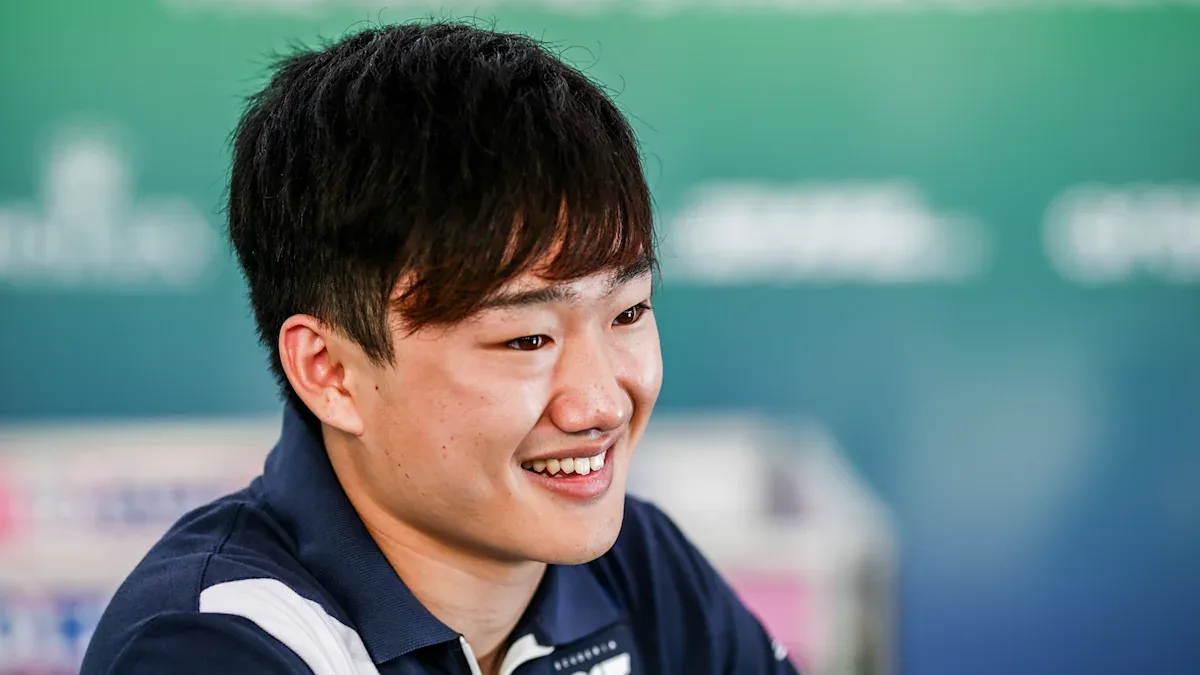
Yuki Tsunoda in an official reference photograph

The opportunity

A disappointing lunch gives the cook a problem to solve.

Cooking gives Yuki something specific to do, not just talk about. A bland lunch, a disputed step and a viewer-chosen ingredient create different reasons to stay for the result.

Explore the example ideas

Example directions

A few ways in. A plan that keeps evolving.

A few examples of a wider content plan. We build around the driver’s real interests, relationships and racing, then develop new ideas as their life and audience change.

1A useful transformation

One lunch. One change.

A willing guest brings a bland but safely prepared lunch. Yuki chooses one addition, explains why and lets the guest compare the two versions.

What keeps people watching

You can see whether the change makes a difference and try the idea yourself.

See the filming plan
2A real kitchen moment

The instruction he refuses to follow.

During an actual cooking session, capture a genuine disagreement about one step. Show both results before either person declares a winner.

What keeps people watching

A small disagreement creates a question with a visible answer.

See the filming plan
3A viewer-led follow-up

You chose the ingredient. Now he has to use it.

Viewers choose between two ordinary ingredients. In the next episode Yuki makes a simple dish with the winner and shares what he would change.

What keeps people watching

The comment has a consequence, and the next video delivers a complete recipe idea.

See the filming plan

From idea to recording

How we’d make it.

Capture the real situation, shape the edit and deliver the promised payoff.

  1. 1

    One lunch. One change.

    Show the original lunch, the single change and the taste comparison in that order. Keep the guest’s actual verdict; an adjustment that fails can still give the video a useful ending. Confirm the cooking interest directly before production. Respect allergies and food hygiene; film an honest reaction, not a guaranteed approval.

  2. 2

    The instruction he refuses to follow.

    Do not invent a feud or bait someone into embarrassment. If no disagreement happens, use the useful preparation moment that actually occurs.

  3. 3

    You chose the ingredient. Now he has to use it.

    Agree feasible options beforehand; keep the recipe short and credit any chef or recipe being adapted.

Give people a reason to return

Turn a good moment into a following.

Earn the first watch

A smaller driver does not need a restaurant ambition. A genuine everyday skill works when the video solves a problem or delivers a visible transformation.

Build the next connection

Only after the food earns interest, connect a later episode to how he eats around a race trip. Avoid turning every meal into a sponsor pitch.

Made for the feed

How we’d adapt the videos.

Instagram

Show the before-and-after meal in the Reel; put the short ingredient list in a saveable companion post.

TikTok

Open on the disappointing plate and the proposed fix. Answer a useful cooking comment with the next attempt.

YouTube Shorts

Use a literal title such as “One change to a bland lunch”. Resolve the taste test in the same Short.

Test, learn, improve

What we’d look for.

What we’d test first

Try one modest cooking change and its honest result. If viewers only request recipes, make the next episode’s connection to his life clearer rather than assuming new racing fans.

Watch completion through the comparison, saves and comments describing a real attempt. Track whether food viewers return for driver-led episodes; do not assume recipe reach means racing fandom.

Give people a reason to follow your journey.

Let’s talk about your goals, what you’re posting now and the stories you could be telling. See where Turn One could take the work forward.

Turn One