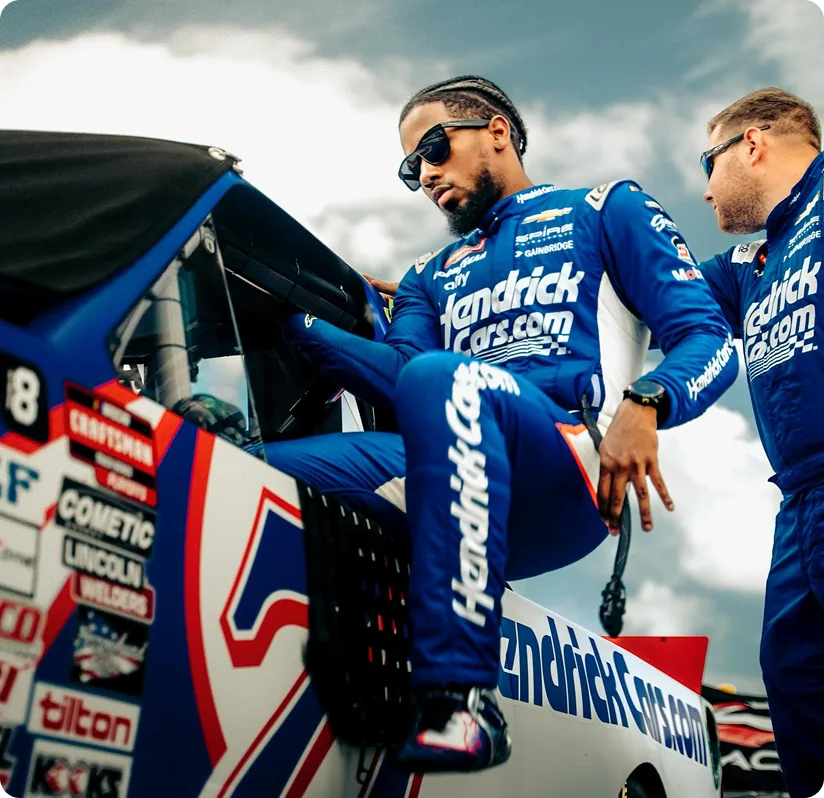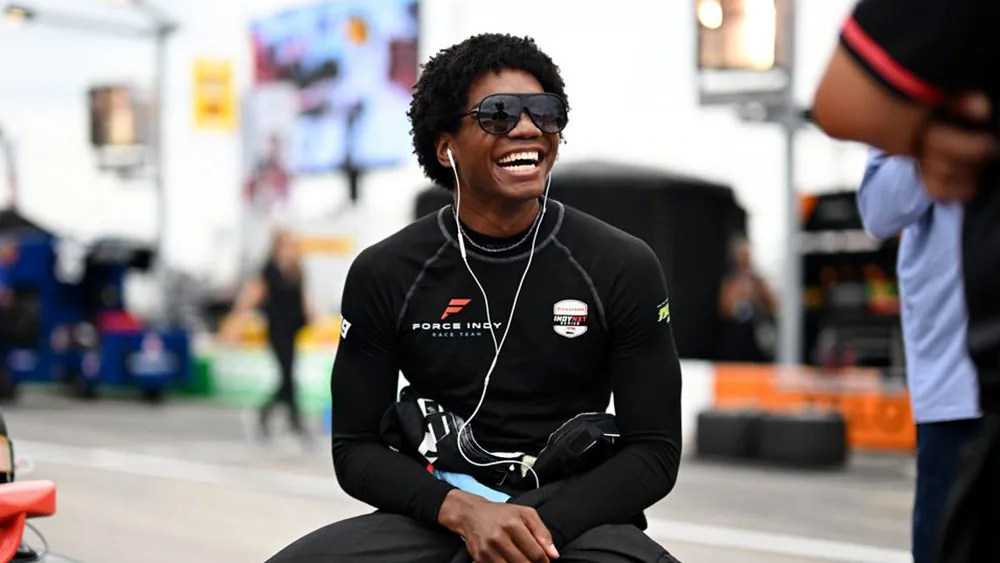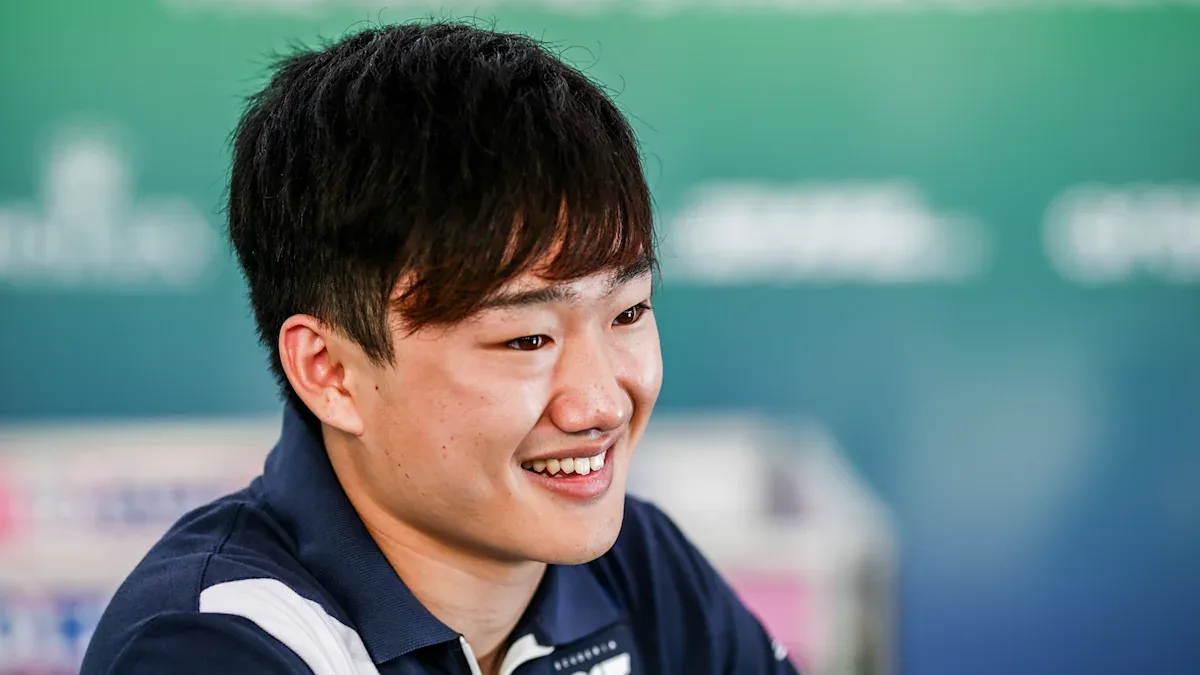

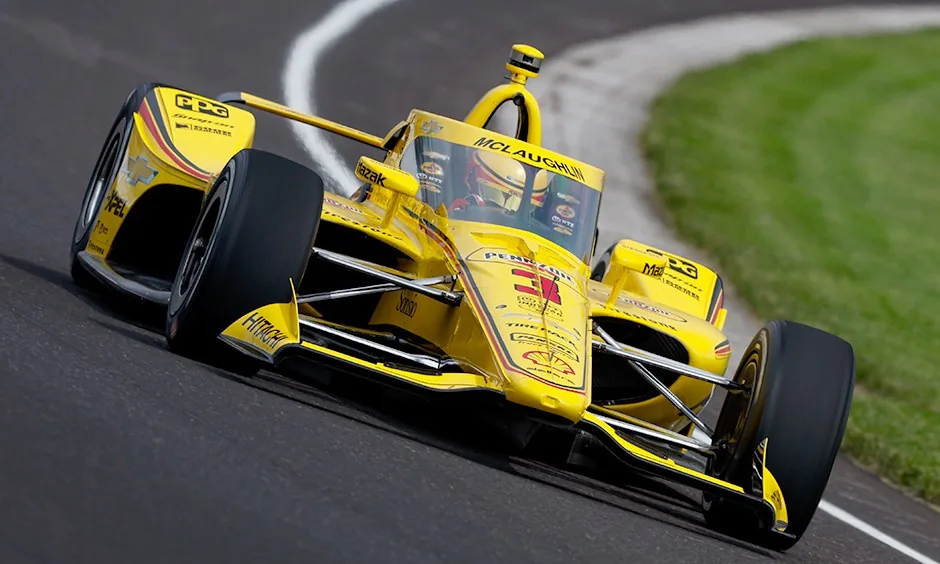
One attempt. Same settings for everyone.
Scott tries an approved simulator challenge, shows the result and invites viewers to submit theirs under the same conditions.
The viewer understands what success looks like and has a way to take part.

A simulator task gives viewers something to try, compare and improve. The driver’s name adds interest, but the challenge has to stand on its own.

The opportunity
His documented interest in iRacing gives the challenge a credible fit. The audience sets the task and can contribute to what happens next.
Explore the example ideasExample directions
A few examples of a wider content plan. We build around the driver’s real interests, relationships and racing, then develop new ideas as their life and audience change.
Scott tries an approved simulator challenge, shows the result and invites viewers to submit theirs under the same conditions.
The viewer understands what success looks like and has a way to take part.
If the first attempt goes wrong, keep the reaction and the explanation before showing a correction.
A mistake and recovery make a compact story even for someone who has never heard of the driver.
Compare one valid fan submission with Scott’s attempt and let him test the difference.
The audience contribution changes the episode instead of disappearing into the comments.
From idea to recording
Capture the real situation, shape the edit and deliver the promised payoff.
Choose a challenge a viewer can understand from one screen. Record the attempt and reaction together, and show the exact condition that counts as success before the timer starts. Publish settings, deadline and submission rules. Disclose practice and restarts; verify game permissions.
Do not engineer failure or present a selected attempt as the first. Capture screen and face together.
Obtain permission, verify comparable settings and credit the person. No promise that every entry will be featured.
Give people a reason to return
An unfamiliar driver can run the same kind of fair comparison with a small audience. The task has to be interesting and accessible; prizes and expensive equipment are not the starting point.
Show a viewer’s valid attempt in the next episode, then ask Scott to test the different approach. If submissions are scarce, start with one invited participant rather than claiming an audience competition already exists.
Made for the feed
Use Stories to choose between two approved challenges. Publish the attempt as a Reel and give the winning fan contribution a visible credit.
Keep the attempt and reaction in the same edit. Answer one valid submission with a comparison video; make settings and submission rules easy to find.
Title each challenge by the task, not just the driver. Connect the attempt and follow-up using related videos where available, and keep both understandable on their own.
Test, learn, improve
Run one achievable, clearly specified challenge and a credited response. Check valid participation and the race-related follow-up separately before making it a recurring commitment.
Track valid submissions, returning participants and viewing retention at the comparison. Treat simulator interest and race interest separately: use a clear next-race link and measure visits before claiming crossover.
Let’s talk about your goals, what you’re posting now and the stories you could be telling. See where Turn One could take the work forward.