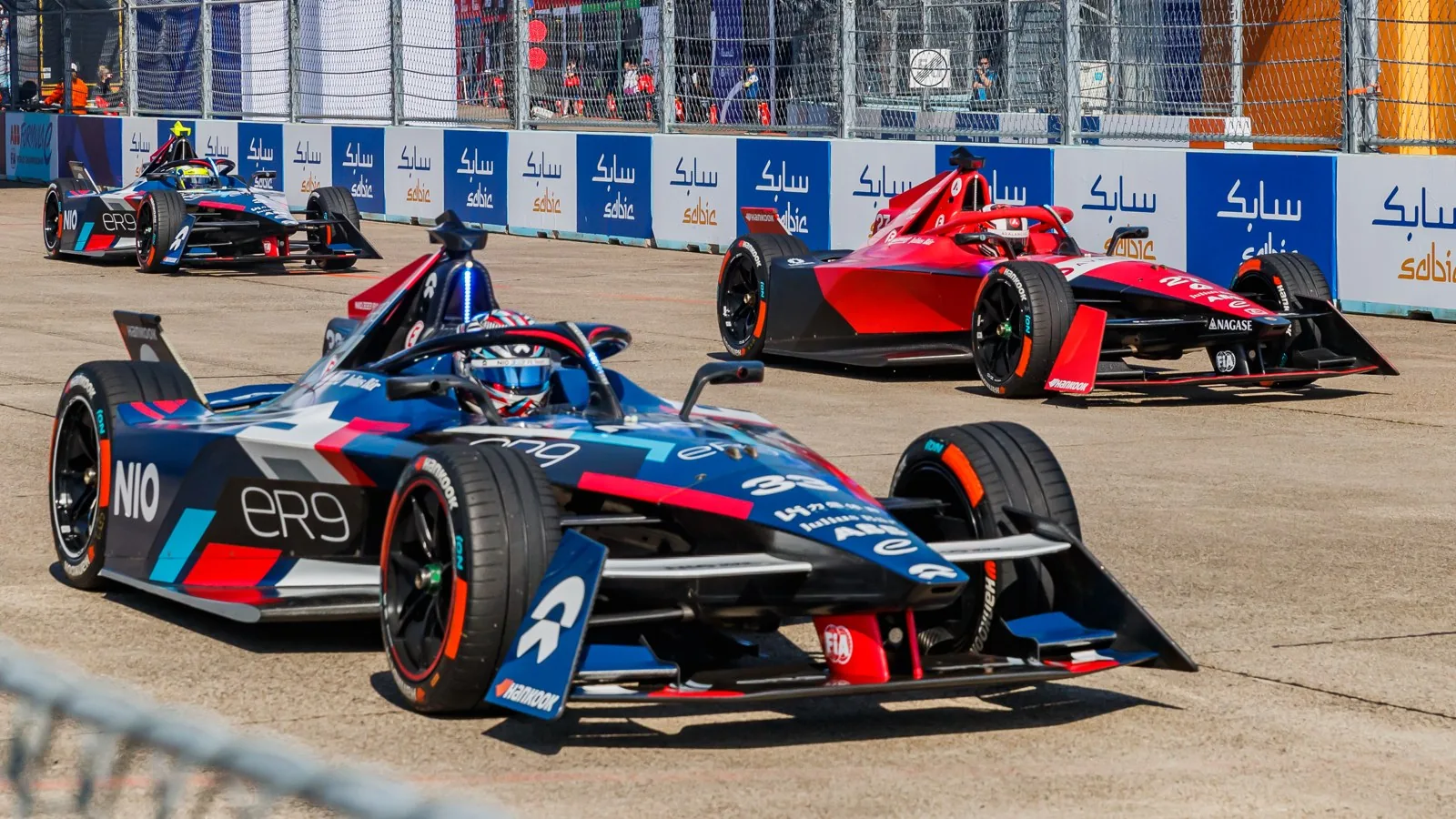
Same speed. Same stopping point. Who gets closer?

A simple simulator challenge gets a newcomer watching. The driver’s explanation, reactions and next race give them someone to follow.

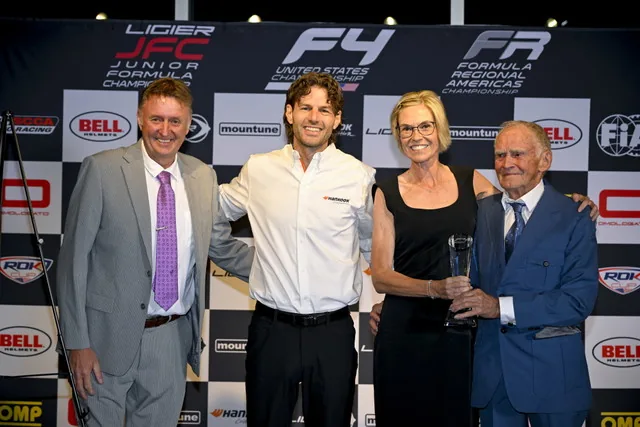
Participants at Formula E’s guest driving event

The opportunity

Let a newcomer try it. Give them a driver to follow.

The guest may bring an audience; the shared task gives that audience a way to understand the driver. The follow-up has to make the race worth finding.

Explore the example ideas

Example directions

A few ways in. A plan that keeps evolving.

A few examples of a wider content plan. Drivers, teams, local communities and the experience of attending give different audiences a reason to get involved.

1A simulator challenge

Stop closest to the line.

Show a marked stopping point in the simulator. A guest makes one attempt, the driver makes theirs, then the guest gets one piece of advice and another go. Keep all three distances on screen.

What keeps people watching

The target is visible immediately. Viewers can judge the gap and see what the driver notices, without needing to understand Formula E.

See the filming plan
2A playful role reversal

Now teach the driver your job.

The guest returns the favor: one simple task from their own craft, taught to the driver.

What keeps people watching

Watching an expert become a beginner reveals humility and humor. Both audiences get something familiar to enter through.

See the filming plan
3The racing connection

Where does the driver actually brake?

Show one cleared onboard corner. Ask viewers to spot when braking starts, then replay it with the driver pointing out the cue they use. Connect that explanation to the stopping challenge.

What keeps people watching

The viewer can now notice something in a race that previously passed them by. The same driver becomes their guide.

See the filming plan

From idea to recording

How we’d make it.

Capture the real situation, shape the edit and deliver the promised payoff.

  1. 1

    Stop closest to the line.

    Confirm the simulator supports a repeatable stopping exercise. Use the same speed, car and conditions; show overshoots as well as short stops. Film screen and reactions together. This is a controlled game, not a ranking of driving ability.

  2. 2

    Now teach the driver your job.

    Choose a safe, short activity based on the guest’s real skills. Keep mistakes friendly and voluntary.

  3. 3

    Where does the driver actually brake?

    Use an approved lap and confirm the braking point with the driver. Explain one corner only; verify broadcast rights and the next event’s viewing details.

Give people a reason to return

Turn a good moment into a following.

Earn the first watch

A local creator and a willing driver can exchange skills on a smaller budget. Choose a task both audiences understand; access and audience fit matter more than follower count.

Build the next connection

Return to the same driver at the next race with a short explanation of a real braking decision. Connect it to the earlier demonstration without pretending a simulator game reproduces race conditions. Give viewers the actual outcome afterward.

Made for the feed

How we’d adapt the videos.

Instagram Reels

Show the stopping target and all three results in one Reel. An agreed collaboration can introduce the guest’s audience; the next film should make the driver worth following without the guest.

TikTok

Lead with what surprised the guest. Let the driver answer a genuine beginner question from the comments in a separate video.

YouTube Shorts

Keep the introduction self-contained. Give viewers a relevant next video about the driver, rather than sending them to an unrelated highlight reel.

Test, learn, improve

What we’d look for.

What we’d test first

Start with the stopping challenge and a driver-led braking explanation. Compare interest in the guest with interest in the driver afterward before committing to the role reversal.

The important test is whether people keep watching when the driver becomes the main subject. We’d compare viewing and comments across the two videos, then track visits to the official viewing information. Those visits show interest; they do not prove someone watched the race.

Make your next race matter to more people.

Let’s talk about your goals, what you’re posting now and the stories you could be telling. See where Turn One could take the work forward.

Turn One