The car you like can win without finishing first.

Let a newcomer pick a car by its looks. Then show them the other race happening inside the same race.

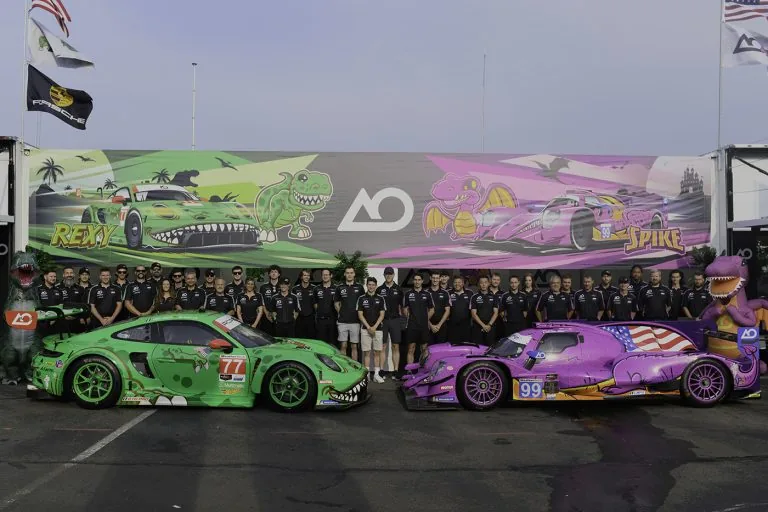
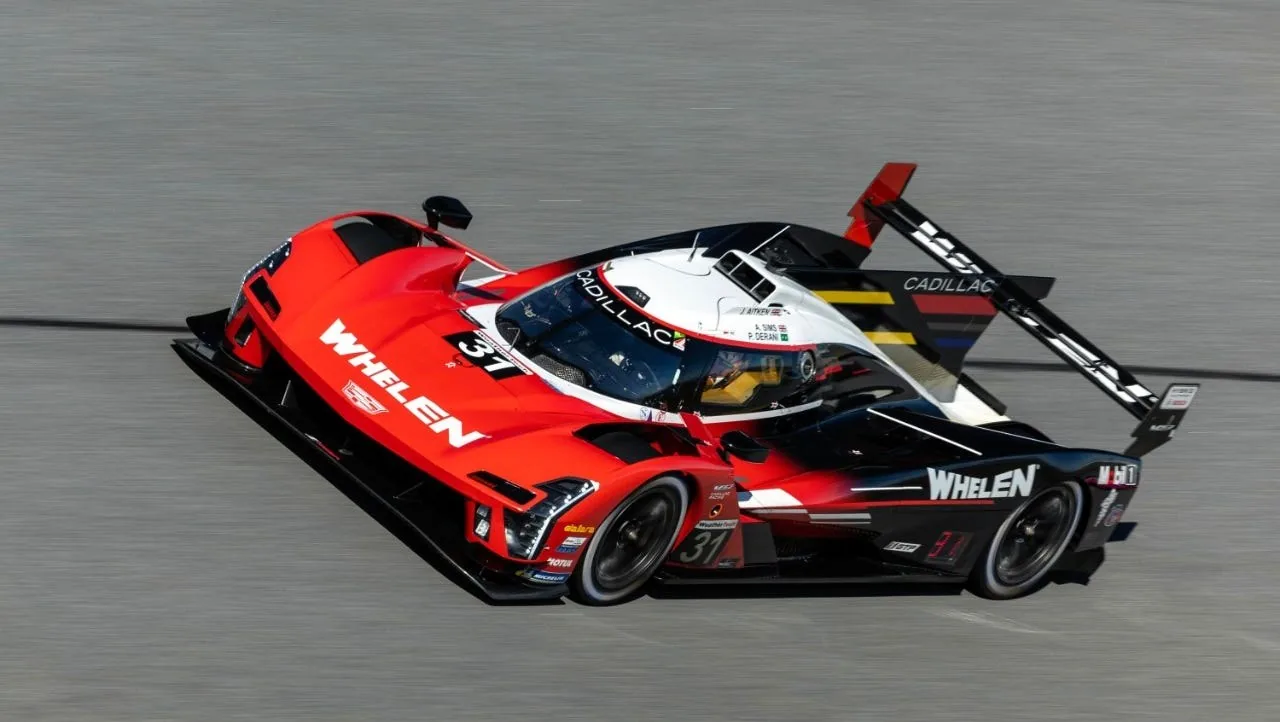
AO Racing photograph of its IMSA programme; series reference, not campaign footage

The opportunity

Give people someone to follow before giving them four sets of rules.

IMSA already explains its classes. A short story can make that explanation matter: a viewer picks a car, thinks it is losing, then discovers what it is actually fighting for.

Explore the example ideas

Example directions

A few ways in. A plan that keeps evolving.

A few examples of a wider content plan. Drivers, teams, local communities and the experience of attending give different audiences a reason to get involved.

1A visual reveal

You picked the pink one. Is it winning?

Begin with a real race clip and one clearly marked car. Reveal its class position, then replay the moment with only its direct rivals highlighted.

What keeps people watching

The apparent contradiction creates a question with a clear answer. No racing vocabulary is needed.

See the filming plan
2A hands-on discovery

That little light changes what you are watching.

A crew member points to the position display on a stationary car. Cut to that same display during a real battle and show what its number means.

What keeps people watching

An overlooked detail becomes a useful viewing skill in seconds.

See the filming plan
3A newcomer’s day out

We gave a first-time fan one car to follow.

With consent, record their first prediction, the moment they recognise the car on track and their reaction after its race. Keep the questions and wrong guesses.

What keeps people watching

A real person learning in public makes the sport approachable. The original choice creates a small story to finish.

See the filming plan

From idea to recording

How we’d make it.

Capture the real situation, shape the edit and deliver the promised payoff.

  1. 1

    You picked the pink one. Is it winning?

    Use a verified timing moment and licensed footage. Do not imply a car won unless the recorded result supports it.

  2. 2

    That little light changes what you are watching.

    Confirm the specific car’s display, class and event configuration. Shoot the explanation in an approved quiet location.

  3. 3

    We gave a first-time fan one car to follow.

    No scripted surprise. Choose an event with appropriate access and record the actual outcome, including disappointment.

Give people a reason to return

Turn a good moment into a following.

Earn the first watch

A club championship can start with one recognisable car and one understandable contest. A complicated field becomes easier to enter when viewers have a personal choice.

Build the next connection

Use the car’s next appearance as the follow-up. Separate audience interest from ticket intent, team inquiries and sponsor discussions; each needs its own next step.

Made for the feed

How we’d adapt the videos.

Instagram

Use a Reel for the reveal and a saved carousel for recognising classes at the track.

TikTok

Open with the viewer’s chosen car and the apparent contradiction. Reply to genuine confused comments with a demonstration.

YouTube Shorts

Name the exact race and car in a complete standalone explanation, then connect a related race video where available.

Test, learn, improve

What we’d look for.

What we’d test first

Start with one verified class-position reveal and a later clip featuring the same car. Check whether viewers can follow its actual contest; confusing comments may signal that the explanation needs work, not that the hook succeeded.

Test whether viewers stay through the class-position reveal and can answer the question afterwards. Track saved guides and visits to verified event information separately from raw views.

Make your next race matter to more people.

Let’s talk about your goals, what you’re posting now and the stories you could be telling. See where Turn One could take the work forward.

Turn One