
Season content calendar
A season is
not twenty
race weekends.
Plan the whole year around the calendar, including the months with no racing in them, so there is always something to post.
See the season shape ↓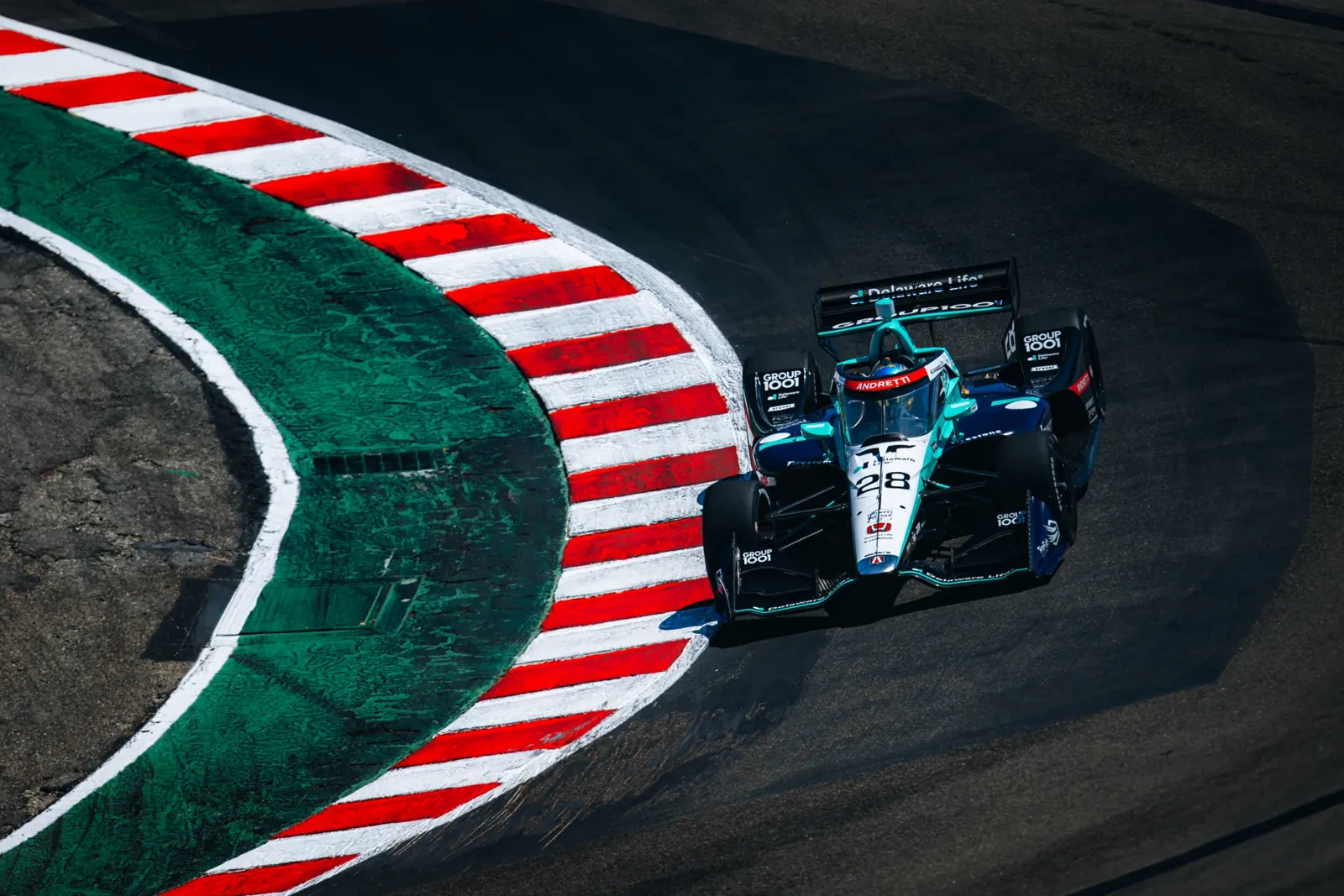
The problem with race-weekend content
Race weekends are
maybe forty days.
The year has three hundred more.
Almost every driver posts in bursts around races and goes quiet in between. The gaps are where an audience is lost, and they are also when a brand has the most room to be involved. A season plan is mostly about the quiet weeks.
Five phases
What each part
of the year is for.
- Pre-seasonSet up the year people will follow.
Announce the season, the team and the goal. Explain what the series is to people who do not know it, and what a good year would look like. This is the only time you can set expectations before results start answering for you. Film testing: it is the most content-rich part of the year and the least used.
- First roundsEstablish the pattern.
Run the race-weekend plan properly for the first two or three events, even if it feels repetitive. You are teaching an audience what to expect from you and when. Consistency early is worth more than a single strong piece later.
- Mid-seasonMake the gaps work.
The weeks between rounds carry the explanatory content: how something works, what a term means, answers to the questions people keep asking, the simulator, the training, the travel. This is where most of the year’s posts should come from, and where almost nobody posts.
- Final roundsClose the story you opened.
Return to the pre-season goal. Whether it was reached or missed, the year has an arc and the end of it is the most watched content you will make. Plan it rather than reacting to the last result.
- Off-seasonKeep the audience and build the next deal.
Review the year honestly, publish what you learned, and start the commercial conversations for next season while there is time for them to close. Brands plan budgets in the off-season. Going silent in the exact months the decisions are made is the most expensive habit in this sport.
Fill the quiet weeks
Content that does not
need a race.
Can be made any week.
- Answering a question the comments keep asking
- Explaining one technical thing in plain language
- Simulator and training sessions
- The travel, the logistics, the cost of it
- A decision you made and why
Needs a date in the calendar.
- Partner campaigns, agreed and briefed in advance
- Testing and shakedown days
- Team and sponsor announcements, under embargo
- Trackside shoots that need access cleared
- Anything requiring an approval round
Running it through the year.
Build the calendar backwards. Start from the race dates, then mark the embargoes, partner commitments and travel. What is left is your production time, and it is always less than it looks.
Decide the weekly minimum you can actually hold. One piece a week delivered every week beats four a week for a month and then nothing. Set the number at what survives a bad weekend and a long flight.
Bank content in the quiet months. The off-season and mid-season gaps are when you record the explanatory pieces that can go out at any time. A small bank is what keeps the schedule intact during a triple-header.
Review once a quarter, not once a year. Look at what actually got watched, keep the formats that worked and drop the ones that did not. A plan nobody revises becomes a plan nobody follows.
What to make when there is no racing, and how to keep an audience through the months that decide next year’s budgets.
A brand reads the first page to find out what it is being offered.
Want a plan built around your calendar?
We develop the season plan, the briefs and the production schedule with you.