
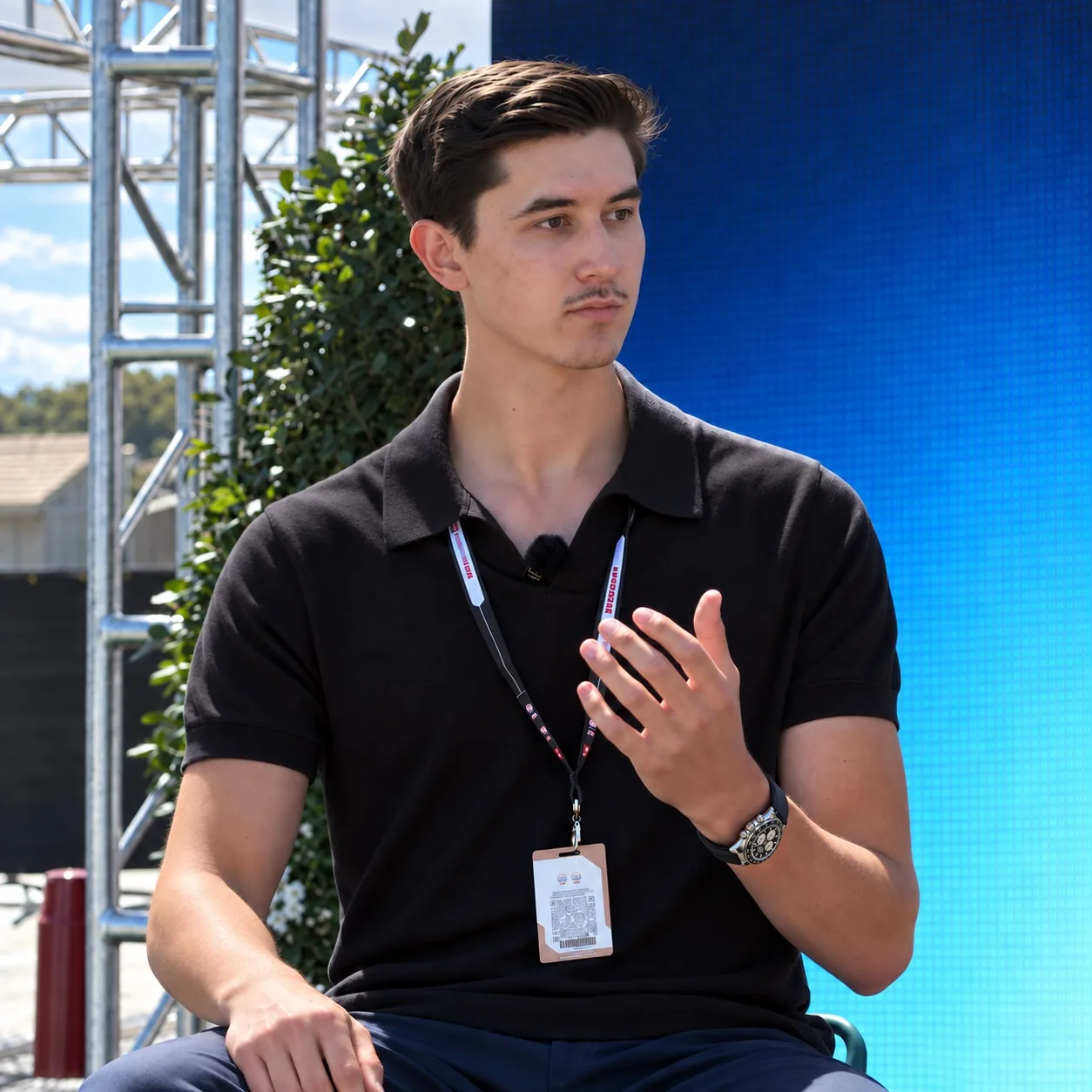
A parent may organise the calendar, an editor may finish the videos and the young driver may be the person appearing in every post. Unless those roles are clear, an ordinary content request can turn into pressure on the driver or a decision nobody realises they own.
Agree the responsibilities and boundaries together before increasing the volume. The driver should understand what is being recorded, where it may appear and how to decline a topic or moment. The adults should know who checks the work, handles enquiries and can pause publication.
Separate participation from administration
A young driver can describe their own experience without being responsible for every message, upload or commercial conversation. Assign those administrative tasks deliberately. Do not assume the person who filmed a clip is also the person who should publish it.
Check the platform's current age, account and supervision requirements before deciding how an account will operate. This article concerns practical responsibilities, not eligibility advice or a substitute for applicable safeguarding policies.
Make the responsibilities visible
Illustrative arrangement, to adapt to the family's circumstances:
| Task | Responsibility to agree |
|---|---|
| Choosing a subject | The driver understands the idea and can decline a personal topic |
| Recording | An agreed adult checks the location and whether the timing fits the racing |
| Reviewing the edit | The driver checks their meaning; the responsible adult checks publication boundaries |
| Posting and enquiries | A named authorised person manages publication and commercial messages |
| Stopping or correcting a post | Everyone knows whom to contact and which account owner can act |
This is a discussion aid, not a rule that assigns legal authority or overrides a team's requirements.
Agree what stays outside the content
Discuss subjects, locations and personal details before a camera is running. School details, private travel arrangements, family finances and other people's circumstances need not become part of a public racing story. Revisit the boundaries when the driver changes their mind or the programme changes.
A clip can be technically usable and still be the wrong moment to publish. After a disappointing session, allow space for the sporting debrief and the driver's own response. A content calendar does not require an emotional interview.
Keep commercial promises separate from the driver's comfort
Before agreeing to an appearance or recording, the responsible adult should understand what is expected and whether the driver is willing to participate. If a requested activity changes, raise it with the commercial contact rather than treating the original agreement as permission for any new idea.
Use a clear review point before publication. A driver agreeing to record an answer should still be able to flag that the finished edit misrepresents what they meant. Keep those corrections with the current version so the editor can act on them.
For commercial scope and family budgeting, read the karting sponsorship guide. For version review, use the approval guide. Explore Turn One for drivers with the people who will take part in the working relationship.