
Resources ↗

Race-weekend content plan

Leave the track
with a story.
Not just footage.

Three moments to capture around your race schedule, with a shot list you can take to the paddock.

Build your shot list ↓
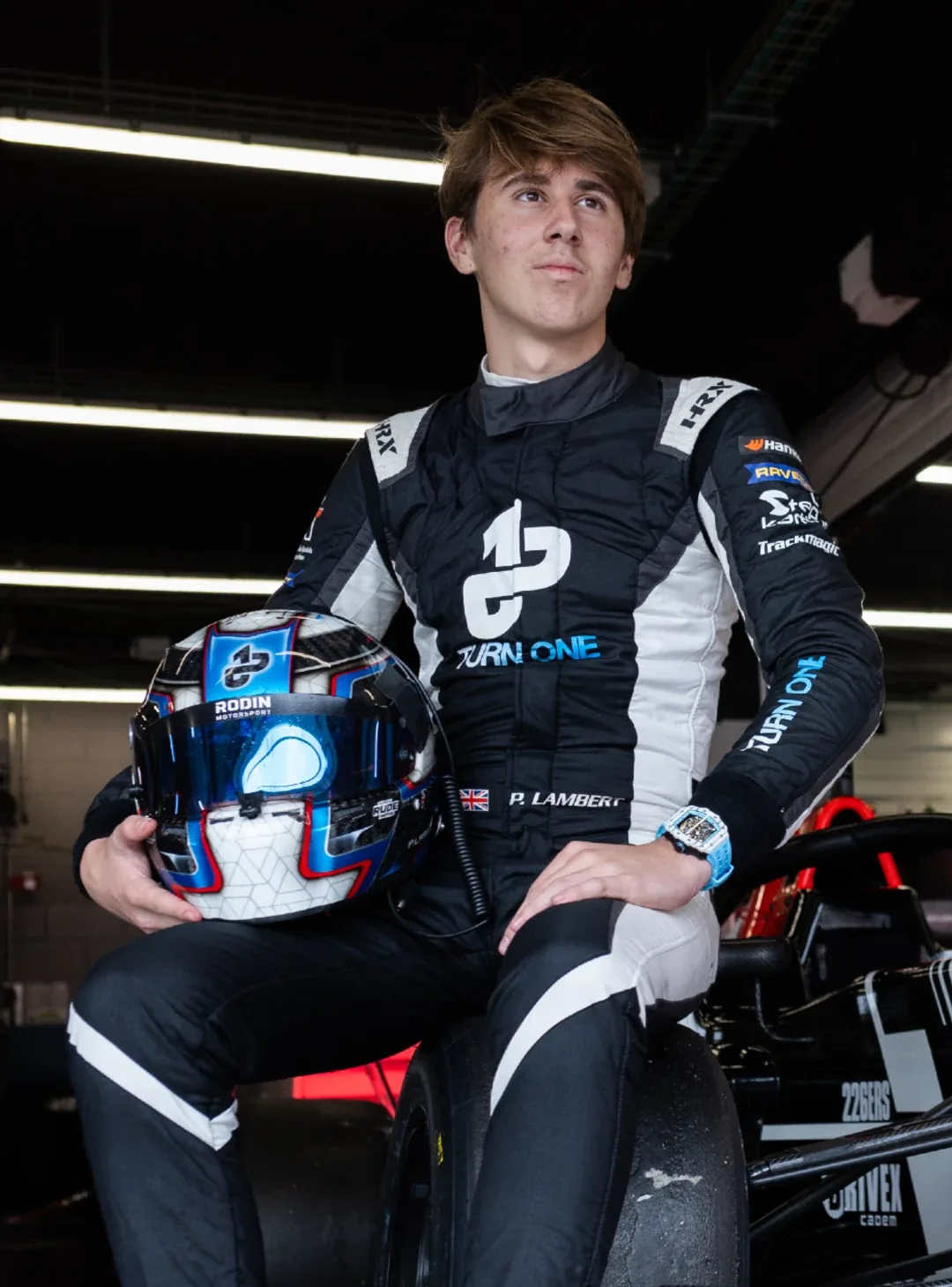
Preston Lambert beside his racing car
Your weekend, three storiesBefore.
During.
After.
The questionThe changeThe lesson

The plan in one line

Set up a question.
Show what changed.
Give people the answer.

A finishing position tells people what happened. Your decisions, reactions and explanations give them a reason to watch.

Save this for the weekend

Three stories.
A clear shot list.

01

Before the race

Set the stakes.

Ask
“What are you trying to get right this weekend?”
Capture
  • A short answer from the driver before the result is known
  • One shot of the car, track or preparation that makes the challenge visible
What you leave with

An opening people can follow, even if they have never watched you race.

02

Between sessions

Show the change.

Ask
“What felt different, and what are you doing next?”
Capture
  • The driver explaining one change after a session
  • The permitted detail being discussed, plus a wide shot for context
What you leave with

An explanation with something to show, rather than a recap over unrelated footage.

03

After the race

Close the loop.

Ask
“Did it work, and what did you learn?”
Capture
  • A direct answer to the question you asked before the race
  • The moment or result that explains that answer
What you leave with

A complete story. A difficult weekend can still have a useful lesson.

Fit it around the running order

Where each story
sits in the weekend.

The three stories are the plan. This is when to collect them, so nothing depends on going back for a shot that is no longer available.

  1. Before you travelWrite the question down.

    Decide the one thing this weekend is about before you see a timing screen. Write it as a question a viewer could answer later. If it only makes sense to your engineer, it is the wrong question.

  2. Paddock, before runningRecord the answer cold.

    Thirty to sixty seconds of the driver answering that question, filmed before the first session. It will be unusable later: once there is a result, nobody can say what they expected without knowing how it turned out.

  3. After first practiceCatch the first honest reaction.

    The gap between what was expected and what the car actually did is the most useful thing said all weekend, and it has the shortest shelf life. Get it before the debrief turns it into a summary.

  4. Between sessionsFilm the change being made.

    One change, explained by the person who asked for it, with a shot of the permitted detail. This is the middle of the story and the part most people never have, because it only exists for about an hour.

  5. After qualifyingSay what the grid position means.

    A number on its own means nothing to someone outside the series. One sentence on what that slot makes possible, or makes harder, turns it into stakes.

  6. After the raceAnswer the opening question.

    Return to the exact question from before you travelled. Did it work? A bad result still answers it, and a bad result honestly explained outperforms a good result with nothing said about it.

  7. Before you leaveCollect what the edit needs.

    Wide shots of the garage and grid, the car leaving the box, anything with sound. These are the cuts that let an editor cover a jump, and they take four minutes to get while you are still in the paddock.

Put the plan into practice

One setup change.
One complete story.

Illustrative recording brief

The driver’s explanation
“We changed the setup after practice. Here’s what I felt in the car, and why we went in a different direction.”
Show it

Film the permitted detail the driver is describing.

Finish it

Return after the next session: what changed, and did it work?

Agree filming access with the team. Keep confidential setup data out of frame.

Make the footage usable.

Find clean audio. Move away from running engines for the explanation.

Film the detail and the setting. Give the editor both the evidence and the context.

Choose the destination. Decide whether the story is for your audience, a partner or the team before filming.

When the weekend
does not cooperate.

Nothing went to plan. That is a story, not a lost weekend. "We expected X, we got Y, here is what we think happened" is a complete piece. The only weekend you cannot post is one where nobody said anything.

You missed the moment. Do not stage it again. Say it to camera afterwards instead and let the explanation carry it. Reconstructed footage presented as the moment is the one thing that costs you the audience’s trust.

The team said no. Ask once, early, and ask for something specific. "Can I film you explaining the change after practice" is answerable. "Can I film in the garage" is not, and gets refused by default.

A partner is involved. Write down what you agreed to deliver before the weekend starts, including where it runs and who approves it. Working that out on Sunday night is how commitments get missed.

Go deeperWhat to record at a race weekend, in detail.

The long version of this plan: the brief behind each shot and what to do with the footage afterwards.

Next guideFilm it on your phone.

Almost nothing is binned for picture quality. It is binned for sound.

Want the filming handled?

We can plan and capture the stories around your race weekend.

Explore trackside production
Turn One

Driver testimonial

Video from the existing Turn One testimonial library. Open the original player