Blog / What Does a Racing Sponsorship Agency Actually Do?
RACING SPONSORSHIP AGENCY

What Does a Racing Sponsorship Agency Actually Do?

Find out what a racing sponsorship agency does — and why the old model of pitch decks and cold emails is dead. See how Turn One's system works differently.

What Does a Racing Sponsorship Agency Actually Do?
Nick Lambert
Nick Lambert
CEO, Turn One · April 10, 2026 · 12 min read

What Does a Racing Sponsorship Agency Actually Do?

If you've never worked with a sponsorship agency before, you probably think they just send out pitch decks.

That's what the old model looks like. Some agency guy spends a day writing a generic pitch deck about you, adds your headshot, and sends it to 200 sponsors on a mass email. 5% open rate if you're lucky. 0% conversion rate usually. Then you get an invoice for $2,000 and a promise that they're "working on it."

That's not how we work. That's not how modern sponsorship actually works anymore.

Here's what I need to be clear about upfront: most traditional sponsorship agencies are solving for the wrong problem. They're trying to convince sponsors to pick you. That's backwards. The real model is: sponsors should want to pick you because you've already proven you can deliver what they care about.

I've worked with 100+ drivers and helped verify $5M+ in sponsorship funding. Every single one of those deals came from a different place than a cold pitch deck. They came from drivers who built attention first, then leveraged that attention into sponsorship opportunities.

Let me explain what we actually do, why it's different, and whether you even need an agency.

100+
Drivers managed
$5M+
Sponsorship generated
25B+
Views

The Old Sponsorship Agency Model (And Why It Doesn't Work)

Before I break down the new model, let's talk about what doesn't work. Most traditional sponsorship agencies operate on a model that was designed for the 2000s:

  1. Create a generic pitch deck about the driver
  2. Build a list of 200+ sponsors (usually cold, no real relationship)
  3. Send mass emails with the pitch deck
  4. Wait for responses (that don't come)
  5. Charge the driver a flat fee regardless of success

The agency gets paid whether you get funded or not. That's the problem baked into the model.

Here's the other problem: sponsors don't work that way anymore.

Traditional sponsors (the old playbook) wanted to see: - Your race results - Your technical data - Your media kit - Your proposed sponsorship tiers

They'd review 50 cold pitches, pick maybe 1-2, negotiate terms, and sign a deal.

That still happens, but it's not where the money is anymore. The money is with sponsors who already know you exist and already trust that you can deliver.

How do you get sponsors to know you exist and trust you? That's the real question. And the answer is: personal brand.

Sponsors see you have 300K followers. Sponsors see your content gets 40M views per month. Sponsors see you're authentic and consistent. Then sponsors call you. That's the new model.

The New Sponsorship Agency Model: Build Attention First

Here's the shift: sponsorship agencies in 2026 don't pitch sponsors. They help drivers build the attention that makes sponsors call.

That's fundamentally different.

Instead of "let me convince this sponsor to pick you," it's "let me help you become so relevant that sponsors can't ignore you."

This is why drivers like Preston (fully funded two seasons in a row), Austin (5 brand deals, $2.5K per post), and Jack Speth (162K followers as an F4 rookie) are able to get sponsored. It's not because someone sent a perfect pitch deck. It's because they built personal brands that made them impossible to ignore.

The new model looks like this:

Phase 1: Build Attention - Help the driver develop a personal brand strategy - Create a content framework that's specific to them - Handle scripting, filming, editing, and posting (the infrastructure) - Track growth and engagement metrics - Adjust based on what's working

Phase 2: Monetize Attention - Once the driver has real reach and engagement, introduce sponsorship opportunities - Match the driver with brands that fit their audience - Personalize the pitch (not generic, not mass email) - Handle negotiation and contract management - Measure ROI for both the driver and the sponsor

Phase 3: Optimize and Scale - Continue building content (consistency beats virality) - Add revenue streams (brand deals, season sponsorships, coaching) - Expand the sponsor portfolio - Track which sponsors deliver ROI and which don't

This is what Turn One actually does.

Real Results
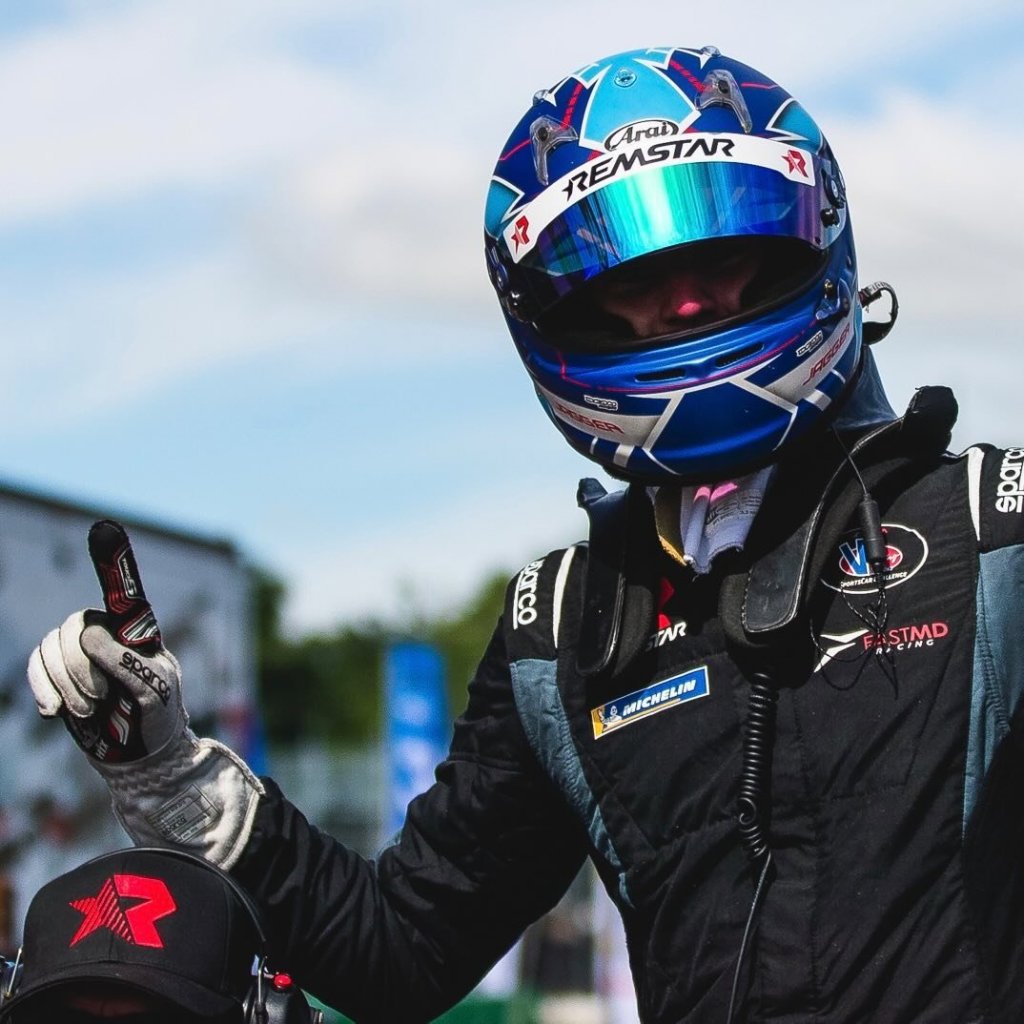
Jagger Jones
GT3
Jagger Jones
30K → 66K followers
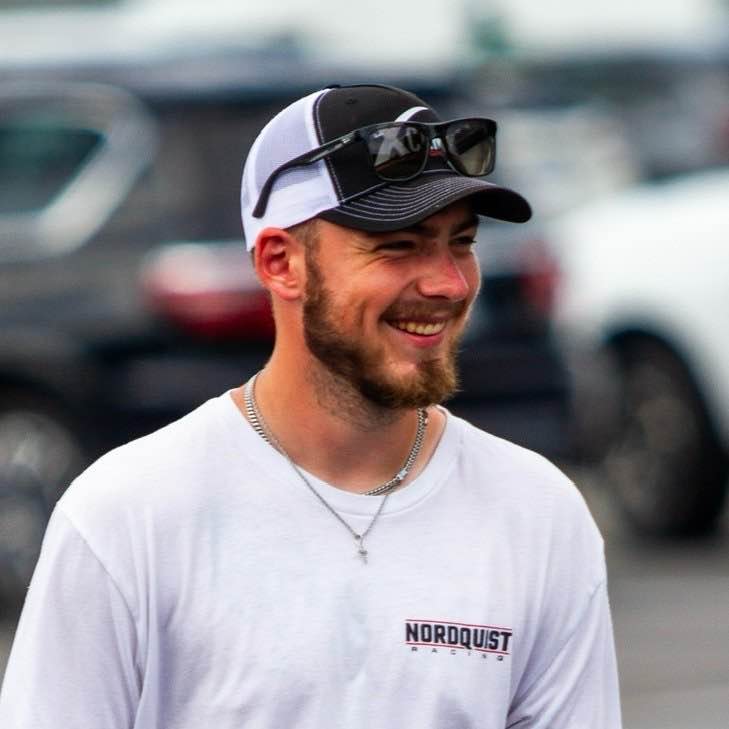
Thomas Nordquist
Road to Indy
Thomas Nordquist
600 → 70K followers

What Turn One Actually Does: Step by Step

Let me walk you through the actual process. This is what happens when you work with us.

Step 1: Content Identity Questionnaire

We start by understanding who you are. This isn't "what's your fastest lap time." This is deeper.

Questions we ask: - What's your story beyond racing? - What's your biggest fear as a driver? - What do you believe about sponsorship that other drivers don't? - What's one thing about you that's unusual? - Where do you want to be in 5 years? - What makes you different from other drivers at your level?

The goal: define your content identity. This becomes the foundation of everything else.

Step 2: Onboarding Call

One call. 60 minutes. We map out: - Your posting schedule (6-7 reels/week) - Your content pillars (3-4 topics you'll post about) - Your recording schedule (45 minutes/week) - What success looks like (follower targets, engagement targets, sponsorship goals) - Timeline (usually 6-12 months before serious sponsorship revenue)

Step 3: Custom Scripts

Every week, we send you 6-7 scripts for that week's content. These aren't generic. They're specific to your voice, your story, and your content pillars.

Example: - Monday: talking head about this weekend's race - Tuesday: response to a comment or question from followers - Wednesday: reaction to another driver's video - Thursday: talking head about something that went wrong and what you learned - Friday: talking head about an upcoming race or decision - Saturday: short-form interview with your engineer or coach - Sunday: carousel (written captions for a 5-7 slide post)

You get the scripts. You film them in 45 minutes total. That's it.

Step 4: Driver Records Everything

You film the scripts. Your phone. Your garage. Your car. Your cockpit. Doesn't matter. The camera and the authenticity matter. The production value doesn't.

Austin Jurs built 300K followers with a phone camera. That's not a limitation. That's actually an advantage because it's real.

Step 5: Turn One Edits and Optimizes

You send us the raw footage. We edit. We add B-roll, text, sound design. We optimize for algorithm: - Hook in first 3 seconds - Captions (yes, people watch with sound off) - Pacing (we know what works) - Call-to-action at the end

Step 6: Upload and Post at Optimal Times

We upload and schedule all content. We monitor which posts are performing. We track metrics: - Reach (how many people see it) - Engagement (likes, comments, shares) - Saves (usually the highest-intent action) - Follower growth

We learn what's working and adjust the strategy.

Step 7: SponsorHub AI Matching and Personalized Outreach

Once you have real reach and engagement (usually 50K+ followers and 4%+ engagement rate), we shift to Phase 2: monetization.

Here's where SponsorHub AI comes in. This is our proprietary tool. Here's what it does:

Brand Matching - We identify sponsors who have historically worked with drivers in your series, at your level, with your audience size - We filter for sponsors whose values align with your personal brand - We prioritize sponsors where there's an actual fit, not just a random cold email

Personalized Outreach - Instead of a generic pitch deck, we create a custom brief for each sponsor - We show them your metrics (followers, engagement, reach) - We explain why their specific brand would benefit from a partnership with you - We include content samples showing exactly what a partnership would look like - We propose specific deal structures (per-post rates, seasonal partnerships, content bundles)

Negotiation and Contract Management - We handle all back-and-forth negotiation - We draft contracts that protect you - We manage payment terms - We track deliverables on both sides

This is why Preston gets $8K per post. It's not because he's the best F3 driver. It's because sponsors see 340K followers, understand the reach, and know exactly what they're getting.

This is why Austin has 5 brand deals instead of 0. It's not because someone sent the perfect cold email. It's because sponsors see 300K followers, 40M monthly views, and a clear ROI opportunity.
Old Model vs. New Model: Side by Side

Let me show you the actual difference:

Old Model New Model
Generic pitch deck sent to 200 cold sponsors Custom briefs sent to 10 qualified sponsors
5% open rate, 0% conversion 60-80% response rate, 30-50% conversion
Driver pays flat fee ($2K-$5K) regardless of success Driver pays percentage of sponsorship revenue (we succeed when you succeed)
Takes 6-8 weeks, results are random Takes 6-12 months, results are predictable
"We sent your pitch to these 200 sponsors" "Here are your 3 signed deals, here's your ROI, here's what's next"
Doesn't build personal brand Personal brand is the foundation
One-off sponsorship deals Recurring revenue streams

Here's the thing: the old model sometimes works. You might get lucky and land a $5K sponsorship from a cold email. But it's random. It's low probability. It's not scalable.

The new model is systematic. We follow a process. We measure results. We adjust.

Proof: What the New Model Actually Delivers

I'm not going to stand here and tell you the new model is better without showing you evidence. Here it is.

Preston Lambert: - Started with 1K followers - Built personal brand over 2 years - Hit 340K followers - Now gets $8K per post - Fully funded two straight racing seasons - Sponsors call him; he doesn't chase them

Austin Jurs: - Started with 800 followers - Built personal brand in 15 months - Hit 300K followers, 40M monthly views - Got 5 brand deals (not negotiated individually—signed in one go) - Makes $2.5K per post - GT4 driver in a smaller series, but has more sponsorship revenue than drivers in bigger series with less of a brand

Jack Speth: - Started with 400 followers - F4 rookie (nobody knew who he was) - Hit 162K followers in 12 months - Got sponsorship interest immediately after hitting 100K - Didn't have to chase sponsors; they came to him

Max Mokarem: - F4 rookie - One viral video: 30M views - 300K followers from that single piece of content - Sponsorship opportunities immediately available - Proves you don't need steady growth if you have one piece of content that resonates at scale

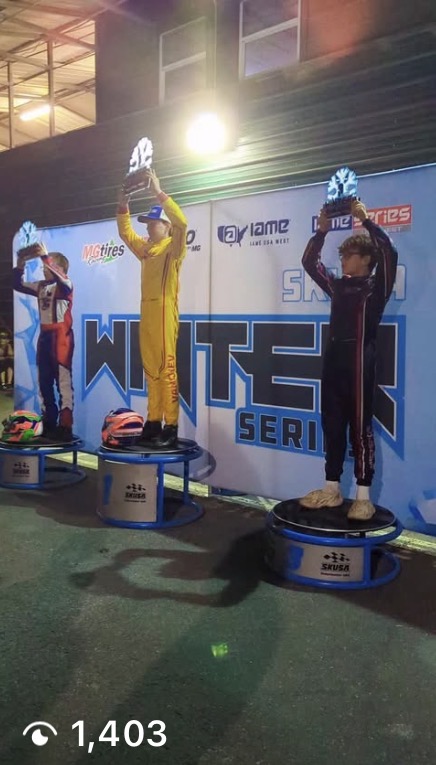
Cole Medeiros: - Karting driver - 800 → 20K followers - 6.5M views per month - Multiple brand deals despite "small" follower count - Proves it's about reach and engagement, not series prestige

Emely De Heus: - F1 Academy and GT3 driver - 40K → 107K followers - Strong sponsorship position because personal brand is specific and valuable - Proves female drivers can build sponsorship brands just as effectively (if they have a strategy)

Cristian Cantu: - F3 driver - 6K → 150K followers - 8M views per month - Sponsorship offers based on reach and content quality

All of these drivers followed the same model: build attention first, then monetize it. None of them got their first sponsorship from a cold pitch deck sent by a traditional agency.

Real results — Cole Medeiros, Karting
Cole Medeiros before
Before
→
Cole Medeiros after
After
Cole Medeiros — 800 to 20K followers, 6.5M monthly views

Do You Even Need an Agency?

This is the honest answer: no, not necessarily. But also probably yes.

You don't need an agency if: - You're already an excellent content creator (scripting, filming, editing, analytics all come naturally to you) - You have 3-4 hours per week to dedicate to content strategy and creation - You're willing to learn sponsorship negotiation and contract law - You don't mind moving slower and potentially missing opportunities - You have the analytical skills to track what's working and adjust

You do need an agency if: - You're training 6 hours a day and don't have 3-4 extra hours for content - You're racing and competing, not doing YouTube tutorials in your spare time - You want professional editing (which matters for algorithm performance) - You want someone negotiating sponsorship deals who isn't emotionally attached to the money - You want to move faster and capture opportunities when they show up - You want someone else to take the administrative burden

Here's what I'll say: I've worked with 100+ drivers. The ones who tried to build their personal brand alone got results, but it took 18-24 months. The ones who got professional help got results in 6-12 months.

That's the difference between one fully-funded season and watching someone else get your seat.

The Cost of Doing Nothing

Let me be direct: if you're not building a personal brand and pursuing sponsorship systematically, you're losing money.

A driver at your level without a personal brand ends up spending $200K-$500K per year out of pocket to stay in racing. That's karting through F4. That's F3. That's GT3. That number changes by series, but the principle is the same.

A driver with a personal brand and a sponsorship strategy ends up funding 60-80% of their season through brand deals and sponsorships. Some fund 100%.

That's not exaggeration. That's the math I've done with every single driver we've worked with.

$200K-$500K per year is your cost of being unprepared. That's what you're leaving on the table.

The Real Question: Who Else Is Doing This?

Here's what you need to know: your competitors are doing this.

The top drivers in your series? Many of them have either built their personal brands naturally or hired someone to help them do it professionally.

The drivers getting sponsored? They're not getting there by having the fastest lap times. They're getting there by having personal brands that make them valuable to sponsors.

If you're not doing this, you're the exception who's competing at a disadvantage.

How to Get Started with Turn One

If this resonates and you want to talk about whether we're a fit:

  1. Fill out the content identity questionnaire. 15 minutes. It defines who you are as a brand.

  2. Schedule an onboarding call. 60 minutes. We map out your strategy, your content plan, your timeline, and what success looks like.

  3. Commit to 45 minutes per week. That's all we need from you. Everything else is our infrastructure.

  4. Trust the process for 6-12 months. This isn't overnight. But if you're consistent, it works. Every driver we've worked with has seen results by month 6.

  5. Let sponsorships come to you. Once you have real reach and engagement, we shift into sponsorship mode. You'll stop chasing. Sponsors will start calling.

The new model works because it solves for the right problem: sponsors don't care about your pitch deck. They care about your reach, your engagement, your audience, and your credibility. Build those, and sponsorship is inevitable.


FAQ: Sponsorship Agencies and How They Work

Keep Reading

See What the New Model Looks Like for You

Apply for a strategy session and find out what's possible.

Apply to Work With Us →

Frequently Asked Questions

No, but you need a system. Most drivers without a system waste years sending pitch decks.
Traditional agencies charge flat fees ($2K-$5K) regardless of results. Turn One operates on a different model: we take a percentage of sponsorship revenue you earn. This aligns our incentives—we succeed when you succeed. For most drivers, this works out to 20-30% of sponsorship revenue after we've helped you build the brand. That's much better than paying upfront and getting no results.
Sponsorship revenue usually comes 6-12 months in, after you've built to 50K+ followers with consistent engagement. Phase 1 (building the personal brand) is foundational. It's not optional. But once you have real reach, Phase 2 (monetization) moves fast. We've had drivers go from 0 sponsors to 3-5 sponsors in 4-8 weeks once they hit the threshold.
Yes. Cole Medeiros (karting) gets 6.5M views per month and has multiple brand deals. Emely De Heus built sponsors in F1 Academy and GT3. Sponsors don't care what series you're in. They care about reach and engagement. Your audience size and engagement rate matter. Your series prestige doesn't.
The agency takes a percentage of sponsorship deals we help you secure. Usually 20-30%. This means if we land you a $5K brand deal, you keep $3.5K-$4K. The percentage protects you and makes sure we're aligned—we're incentivized to get you the best deals, not just any deal.
A brand deal is per-post or per-content-piece. You create content (a reel, a post, an interview), and you get paid. Usually $1K-$10K per post depending on your reach. A season sponsorship is recurring—one sponsor pays a fixed amount (like $20K-$50K) to be your primary sponsor for the season and gets exclusive benefits. Most drivers have both: 3-5 brand deals (per-post) plus 1-2 season sponsors (recurring).
No legitimate agency guarantees sponsorship. What we can guarantee is the process: we'll help you build a personal brand, we'll systematically approach sponsors when you're ready, and we'll negotiate on your behalf. But sponsorship is based on your reach, engagement, and audience fit. If you don't have real reach, sponsors won't bite—not because the pitch was bad, but because the value isn't there. We can't manufacture that. We can only help you build it.
That's your choice. Traditional agencies might work if you're already famous or have a massive platform. For most drivers building from scratch, the old model is slower and more expensive. You'll pay upfront, get cold pitches sent to 200 sponsors, and probably get 0 deals. We've seen it happen hundreds of times. But if you want to try it, try it. Just know the success rate is lower.
Turn One

All testimonials are real but do not represent typical results. Client outcomes will vary according to their commitment, market conditions, and countless other variables. The results shared are by our most dedicated clients and are not indicative of typical or average results. No guarantee of income or success is expressly made or implied.

© 2026 Turn One. All rights reserved.