Blog / How to Fund a Karting Career: The Complete Sponsorship Guide for Young Drivers
KARTING SPONSORSHIP

How to Fund a Karting Career: The Complete Sponsorship Guide for Young Drivers

Stop thinking karting sponsorship is impossible. Cole Medeiros proved it works — 800 followers to 20K, 6.5M monthly views. Here's the exact playbook.

How to Fund a Karting Career: The Complete Sponsorship Guide for Young Drivers
Nick Lambert
Nick Lambert
CEO, Turn One · April 10, 2026 · 11 min read

How to Fund a Karting Career: The Complete Sponsorship Guide for Young Drivers

Let me be direct: most karting families think sponsorship is for later. After your kid's won some championships. After they've "made it."

That's the exact moment you're losing leverage.

The real opportunity? Right now. While your kid still has runway. While attention is cheaper to build. While the competition for sponsor dollars hasn't kicked in yet.

Here's what I've seen work: karting is the best platform to start building the driver brand that will fund everything else. And the families who understand this in 2026? They're the ones funding F4. Funding F3. Funding the whole thing.

Why Karting Is Your Secret Advantage (Not a Liability)

Parents ask me: "Why would sponsors care about a karter? They're not in a national series. They haven't won big races yet."

That's backwards thinking.

Sponsors don't care about your kid's lap times. They care about eyeballs. Reach. The ability to move product and build brand awareness.

And guess what? There's way less noise at the karting level.

When your kid's racing F3, they're competing with dozens of other drivers for attention. Formula Academy drivers are posting content. F2 drivers have massive platforms. The noise is loud.

But at karting? You can own it.

Cole Medeiros is the proof. He went from 800 followers to 20,000 followers while racing karts. He was generating 6.5 million views per month as a karter.

6.5 million. Monthly.

At that point, sponsors weren't asking "Is he fast enough?" They were asking "How quickly can we book him?"

Here's what's different about starting at karting:

1. The audience is younger and more engaged. Karting fans are genuinely interested. They're not just catching an F1 stream in the background. They're following because they love the sport, and they connect with young drivers on a personal level. That engagement translates to sponsor value.

2. The content opportunity is massive. F1 Academy, F3, F2—there's already a ton of polished content out there. Karting content is scarce. When you start posting, you're not competing with established media machines. You're filling a void.

3. The growth curve compounds. If your kid builds to 20K followers in karting, that audience moves with them to F4. It grows again. By the time they hit F3, you're not starting from zero. You're starting from 20K, 50K, 100K—whatever you've built.

4. Sponsors expect authenticity at karting. They're not looking for polished, corporate content. They want real. Behind-the-scenes. A kid talking about their race weekend. That's actually easier to produce and often performs better.

5. The competition for that attention is lower. Fewer karters are taking this seriously. Which means your kid's growth curve will be steeper. Faster. More attractive to sponsors.

Preston Lambert started this journey at F3 with a platform that existed. But the drivers building seven-figure sponsorship packages now? They're the ones who started building audiences at F4, F3, even karting.

Cole Medeiros understood this at the karting level. That's why it worked for him.

The Cole Medeiros Blueprint: From Karting to Sponsor Value

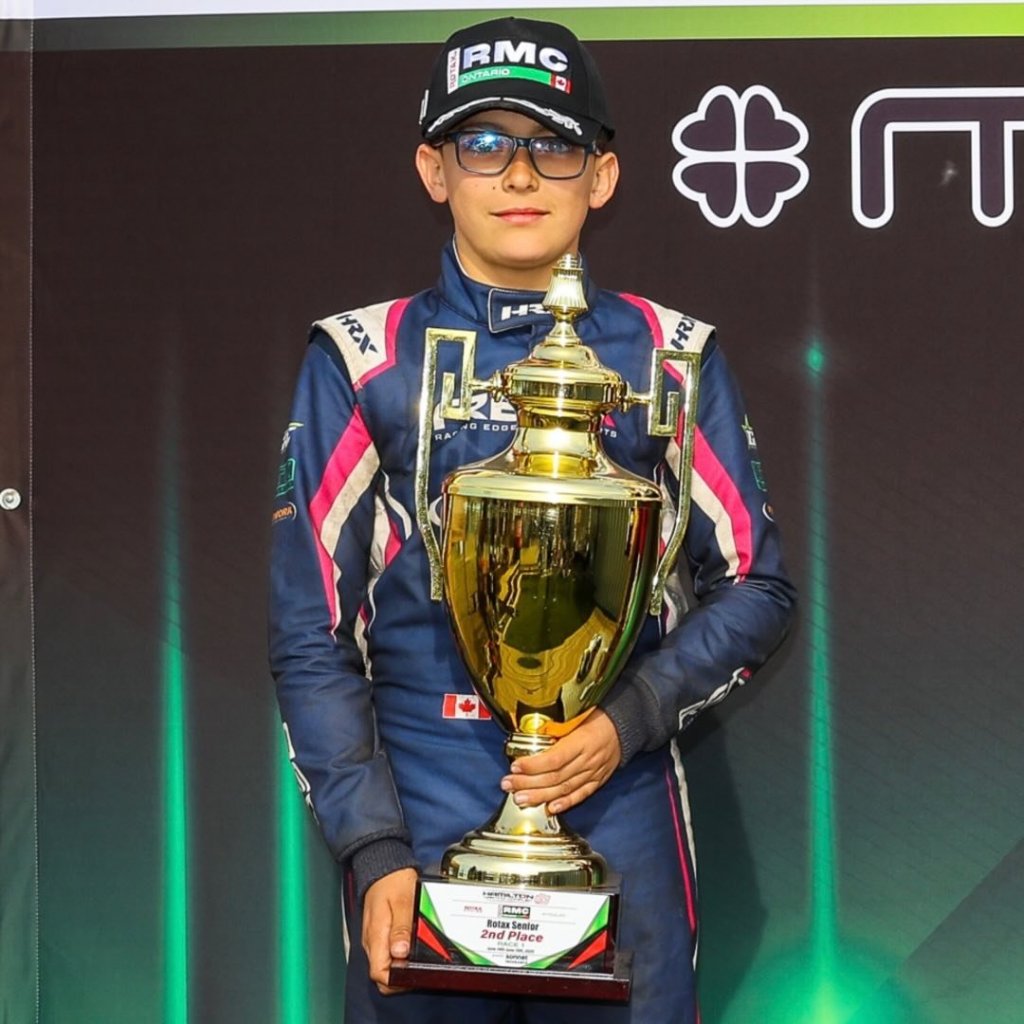
Cole is 15. He races karts. And he's generating the kind of numbers that most professional drivers would kill for.

800 followers → 20,000 followers.

6.5 million views per month.

Let that sink in. A karter is producing content that reaches more people monthly than most F3 drivers do annually.

Here's what he did differently:

The Content System: Cole posts 6-7 reels per week. Not once a day. Not twice a day. But consistent, strategic posting with real hooks.

That's roughly 45 minutes of content creation per week. Not 10 hours. Not full-time production. 45 minutes.

The formula he uses: - Hook (first 0.5 seconds) - Interest Peak (what makes them keep watching) - Body (the actual content—race footage, behind-the-scenes, challenges) - Resolution/Call-to-Action (what happens next, or ask for the follow)

This isn't complicated. It's strategic.

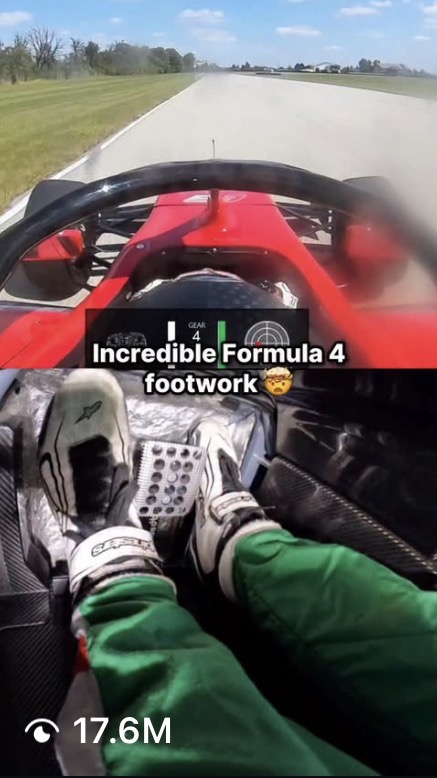
The Content Angles: Cole doesn't post generic karting clips. He posts: - Onboard footage from races with real commentary - Behind-the-scenes prep and mental side - Driver-vs-driver challenges - Honest reactions after wins and losses - Sponsor activation content (showing products in use, not awkward ads)

Each angle serves a purpose. Some are for growth. Some are for engagement. Some are for sponsor value.

The Cadence and Consistency: The magic isn't in doing one viral video. It's in showing up 6-7 times per week for months. Long enough for the algorithm to understand what works. Long enough for an audience to form.

Cole did this for enough time to hit 20K followers. At that point, sponsors started calling. Local brands first. Regional brands. Then bigger fish.

When a sponsor approaches with 6.5M monthly impressions on the table, the conversation shifts. It's no longer "Will you promote us?" It's "What's your rate?"

That rate for Cole? Around where semi-professional drivers were pricing in 2024. As a karter.

Cole Medeiros
Cole Medeiros
Karting — Case Study
Cole Medeiros
×18.8
Growth
20K
Followers
6.5M
Monthly views
800 → 20K

The Karting Sponsor Landscape (Where the Money Actually Is)

Here's the mistake families make: they look for big, national sponsors right away.

Wrong approach.

The money at the karting level is local and regional. Here's where it actually is:

Tier 1: Local Sponsors (Entry Level) - Local tire shops - Go-kart tracks (contingency deals) - Local car dealerships - Regional fuel companies - Pizza places, gyms, local restaurants

Value: $500-$3,000 per month or contingency (you place, you get paid).

These sponsors don't have massive budgets, but they get karting. They understand the value. And they're actively looking for young drivers to represent them.

Tier 2: Regional Sponsors - Regional automotive brands - Regional energy drink companies - State-wide businesses

Value: $2,000-$10,000 per season or sponsorship packages.

These are sponsors who show up at multiple race weekends. They want consistency. They want a driver who will actually engage with their brand at events.

Tier 3: National/Category Sponsors (With Proof) - Helmet companies - Suit manufacturers - Nutrition brands - Racing tech companies - Streaming platforms

Value: Product + cash ($500-$5,000 depending on deal).

These sponsors typically come after you've built proof of audience. But once you hit 15K-20K followers and can show 5M+ monthly impressions, doors open fast.

Cole's 6.5M monthly views? That opened Tier 3 doors.

Most families stop at Tier 1. That's fine for a season or two. But if your kid's serious, you need a plan to move up the tiers.

Step-by-Step: How to Land Your First Sponsors

Step 1: Start Content Now (Month 1-2)

Before you pitch a single sponsor, build proof of concept. Shoot 2-3 weeks of content. Post 6-7 reels per week. Get to 500-1,000 followers and 100K+ monthly impressions.

Most sponsors won't touch you without proof. And that's actually good—it means less competition when you have it.

Step 2: Identify Local Sponsors (Week 3)

Make a list of 20 businesses within 50 miles of your home or your primary racing location. Think: - Tire shops (especially ones near the track) - Local car dealerships - Restaurants - Gyms - Gas stations - Auto parts stores - Local media outlets

Why these? They already understand motorsport or have local market incentives. They don't need to be sold on racing—they need to be sold on reach.

Step 3: Build a One-Pager (Week 4)

Create a simple PDF or single-page document with: - Your kid's name, age, racing series - 3-4 best stats (followers, monthly views, engagement rate) - 3-4 content samples (links to top-performing reels) - What you're offering (logo placement, product integration, event appearance, etc.) - What you're asking (cash, product, contingency deal, etc.)

Don't overthink this. Professional? Yes. Polished? Yes. Novel-length? No.

Step 4: The Pitch (Week 5-6)

Call local sponsors. Not email. Call.

"Hey, I'm calling because my kid races karts in your area. He's built a following of [X], and he's generating [Y] monthly views. We're looking for sponsors who want exposure to motorsport fans. Do you have someone I should talk to?"

Most will say no. Some will ask for a one-pager. A few will say yes right away.

The goal: get 2-3 local sponsors by mid-season. Even if they're small deals ($500/month or product sponsorship), they're proof of concept.

Step 5: Build Toward Bigger Fish (Season 2)

Once you have 15K+ followers and 5M+ monthly impressions, you can approach regional sponsors. Same pitch, but now backed by bigger numbers.

Cole hit these numbers as a karter. That's the benchmark. If your kid hits that, you're in the conversation for real deals.
The Tools That Accelerate Growth

At Turn One, we use proprietary matching to connect drivers with brands. But there are tools and approaches any family can implement:

Content Optimization: Track which content performs. If onboard footage gets 2x engagement compared to behind-the-scenes, post more onboard footage. Let the algorithm guide you.

Engagement Strategy: Respond to every comment in the first hour. Reply to DMs. Make it feel like your kid is actually running the account (because they should be, at least in voice).

Hashtag Strategy: Don't post random hashtags. Research 20-30 relevant hashtags for each post. #karting #karter #racingdriver #motorsport #kartracing—these should all be in your strategy.

Collab Strategy: Partner with other young drivers. Cross-promote. When you have 10K followers and they have 12K, a collab reaches 22K people. Growth accelerates from there.

Trending Audio: Instagram and TikTok favor content with trending sounds. Don't ignore this. If a sound is trending and you can relate it to racing, use it.

None of this requires a production budget. It requires strategy and consistency.

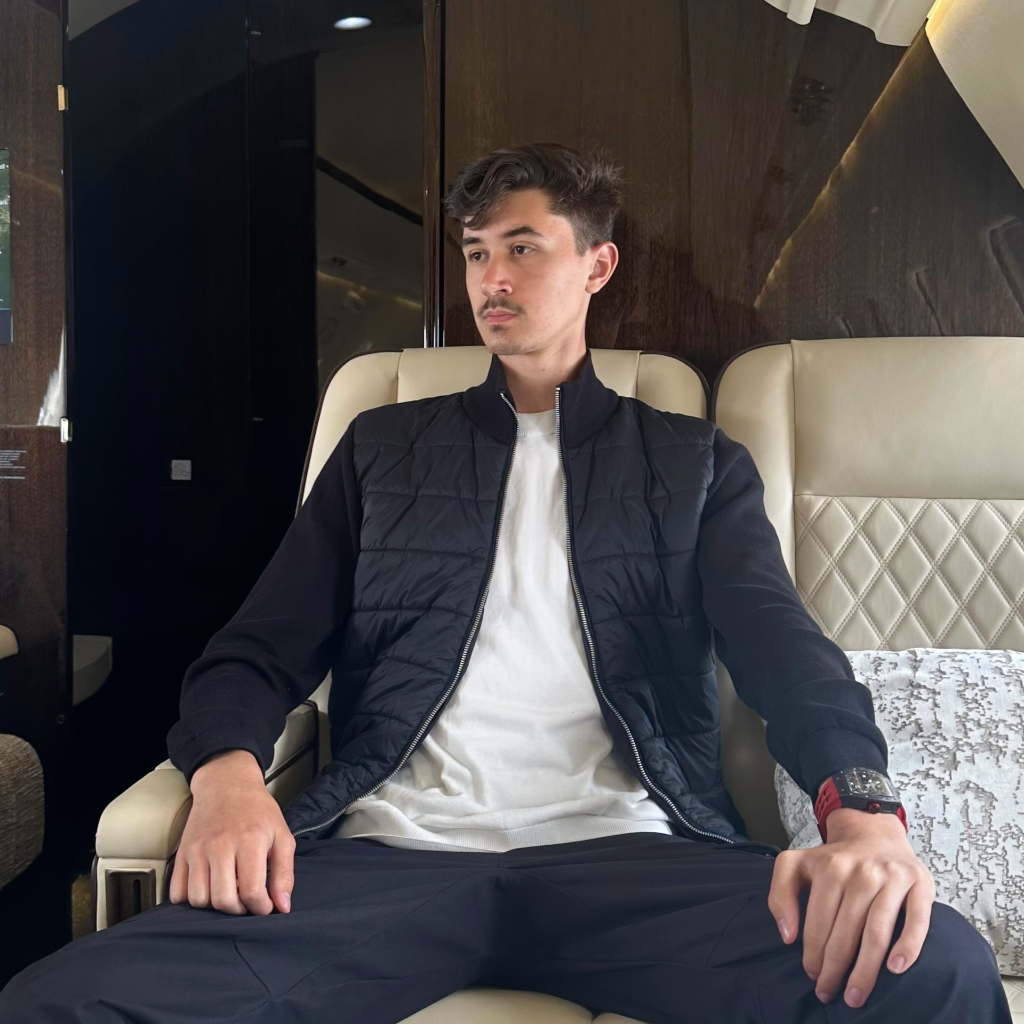
Real results — Cole Medeiros, Karting
Cole Medeiros before
Before
→
Cole Medeiros after
After
Cole Medeiros — 800 to 20K followers, 6.5M monthly views

The Cost Reality: What You're Actually Spending

Here's what families actually spend on karting:

  • Kart rental/ownership: $3,000-$10,000/year
  • Gas, maintenance, travel: $5,000-$15,000/year
  • Entry fees: $10,000-$20,000/year
  • Equipment (suit, helmet, shoes): $2,000-$5,000/year

Total: $20,000-$50,000 per year (and up, depending on the series).

That's a lot of money. Most families are paying this out of pocket.

But here's what families with 15K+ followers and 5M+ monthly impressions do:

They offset that cost. Not 100% (karting sponsorship doesn't fully fund anymore), but 30-50%.

Cole's 6.5M monthly views? That's worth $15,000-$30,000 in sponsor value depending on the deals locked in.

That's a down payment on next season's budget.

The point: your investment in content and audience building isn't separate from your racing budget. It's part of your racing budget. And the ROI is real.

Why Starting Early Matters (A Lot)

I've worked with 100+ drivers. The ones who funded the most of their careers? They started building audiences early.

Preston Lambert didn't start at 1,000 followers in F3. He had momentum coming in. Jack Speth didn't build 162,000 followers in 12 months as an F4 rookie with no foundation—he was already thinking strategically about his brand.

The drivers who started karting, built to 10K-20K followers, then moved to F4? They had so much more leverage.

They moved to F4 with existing proof. Existing audience. Existing sponsor relationships.

That meant when they hit F4, sponsors weren't asking "Can you grow?" They were asking "How fast?"

Cole's doing this at karting. At 15 years old. By the time he's in cars, he'll be 5-6 years ahead of drivers who waited until F3 to think about their brand.

That's not luck. That's strategy.

The Karting-to-Cars Transition

Here's the thing most families don't think about: the karting content and audience don't disappear when your kid moves to cars.

They compound.

If Cole hits 20K followers in karting and moves to F4, his audience moves with him. That 20K grows to 50K or 100K in cars because: 1. He's in a higher-profile series. 2. He already knows how to make content that works. 3. He already has sponsor relationships that can scale.

Compare that to an F4 rookie with zero audience trying to build from scratch.

The advantage is massive.

This is why starting at karting isn't a liability. It's the smartest time to start building. Less noise. More authentic connection. Longer runway. And when costs explode (F4, F3, F2), you're already generating the revenue to offset them.

The Bottom Line

You've got a choice:

Option A: Fund karting out of pocket. Hope talent translates to sponsorship in F4 or F3. Compete with 50 other drivers who had the same idea.

Option B: Fund karting, build an audience while costs are lower, lock in sponsor relationships, and move to F4 already positioned for bigger deals.

Cole Medeiros chose Option B. 800 to 20,000 followers. 6.5M monthly views. Sponsor deals locked in.

That's the blueprint.

It starts now. Not next season. Not when he wins a championship. Not when he's "ready."

Now.

45 minutes a week. 6-7 posts. A strategy. That's the difference between funding karting out of pocket and having sponsors offset it.

That's it.


FAQ

Keep Reading

Start Building Your Brand Before Everyone Else

The earlier you start, the further ahead you'll be.

Apply to Work With Us →

Frequently Asked Questions

Yes. Cole Medeiros is pulling 6.5M views per month as a karter. Sponsors pay for attention, not series level.
10,000-15,000 followers with 3M+ monthly impressions is the threshold where sponsors start taking you seriously. Cole hit 20,000 and 6.5M—that's when real deals happen. But even 5,000 followers with consistent engagement can land Tier 1 local sponsors. The key is consistency, not a magic number.
2-4 months of consistent posting (6-7 reels per week). You'll start seeing Tier 1 sponsors reach out around month 3-4. Regional sponsors typically come in month 6+. It's not instant, but it's faster than most people think if you're strategic.
No. Cole's content is shot on a phone. Edited on a phone. The hook and strategy matter way more than production quality. Authentic beats polished at the karting level. A decent ring light ($30) and phone stabilizer ($20) are all you need.
Neither was Cole when he started. The content system works because it's about what you show, not who you are. Focus on racing moments, behind-the-scenes authenticity, and challenge content. Personality develops as the audience grows.
Yes. 45 minutes per week for content. The sponsorship deals actually take less time because they're usually integrated into content you're already making. It's not separate from racing—it's part of your racing operation.
Start with contingency deals (pay only on podiums), product sponsorship (free gear in exchange for exposure), or track partnerships. As your numbers grow, the conversation changes. Local sponsors that say no at 2,000 followers often say yes at 10,000.
Turn One

All testimonials are real but do not represent typical results. Client outcomes will vary according to their commitment, market conditions, and countless other variables. The results shared are by our most dedicated clients and are not indicative of typical or average results. No guarantee of income or success is expressly made or implied.

© 2026 Turn One. All rights reserved.